Silica Scale Control in Cooling Systems of the Paper Industry

Success Story: Silica Scale Control in Cooling Systems of the Paper Industry

Companies Involved: Paper and Cardboard Manufacturers
Sector: Industrial Water Treatment – Cooling Systems

Silica Scale Control for Enhanced Cooling Efficiency


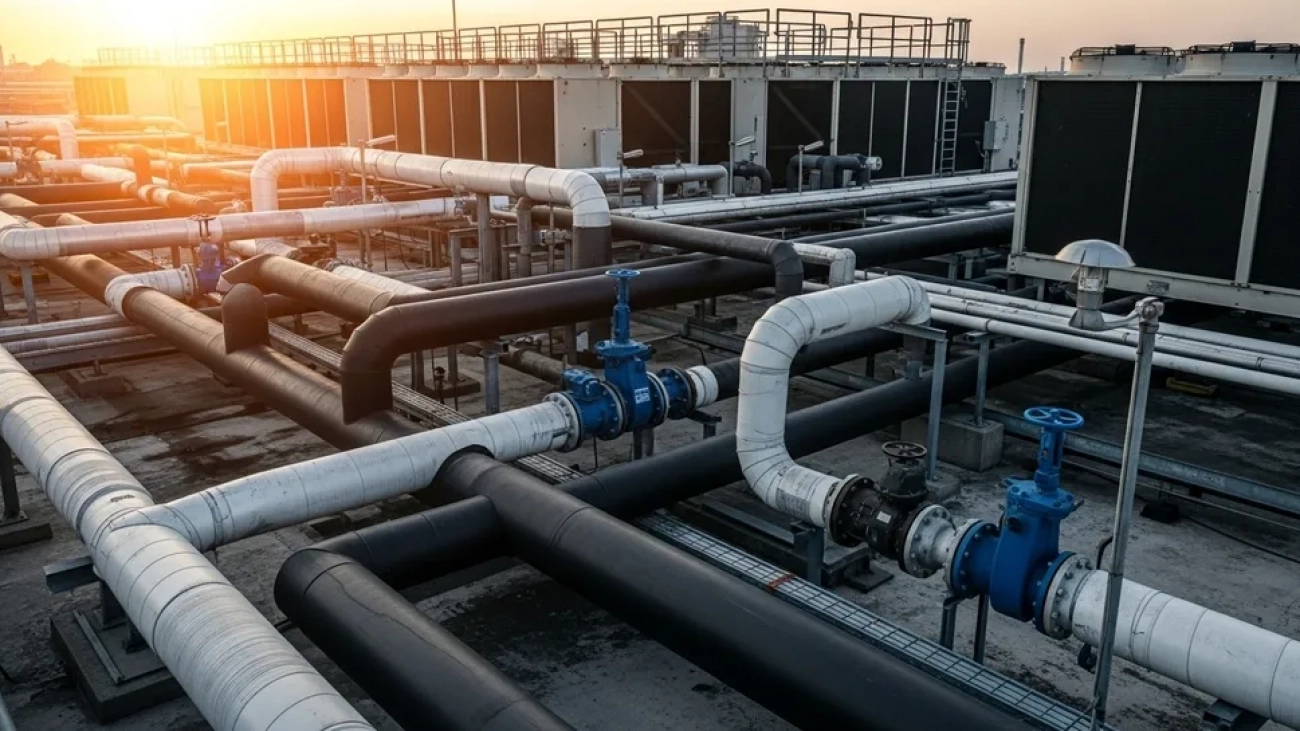
Silica Scale Control in Cooling Systems is an essential measure in industrial processes that rely on water as a thermal medium—particularly in the paper industry, where silica buildup can significantly affect operational efficiency and accelerate equipment wear. This preventive approach, complemented by proper wastewater treatment, is vital to ensuring sustainable operation and environmental protection.

Wastewater treatment plays a crucial role in safeguarding public health and environmental balance. It originates from domestic, industrial, and commercial uses and contains organic and inorganic matter, pathogenic microorganisms, nutrients, and toxic compounds. If not properly managed, it can lead to unpleasant odors, contamination, and health hazards—making collection, treatment, and disposal indispensable.

Treatment processes are classified into physical, chemical, and biological operations, divided into three stages: primary, secondary, and tertiary. Primary treatment removes settleable solids through sedimentation and screening; secondary treatment reduces organic matter via biological processes (such as activated sludge or aerated lagoons); and tertiary or advanced treatment eliminates nutrients, toxic compounds, and dissolved solids through methods like filtration, adsorption, and chemical precipitation.

Wastewater’s physical characteristics include total solids, odor, temperature, color, and turbidity; chemical characteristics include organic and inorganic compounds and gases; and biological characteristics involve diverse microorganisms—some pathogenic, others beneficial to treatment. Biochemical Oxygen Demand (BOD) remains a key indicator for measuring organic contamination and designing treatment plants.

Biological treatment employs bacteria, fungi, algae, and protozoa to degrade organic matter and stabilize waste. Aerobic, anaerobic, and anoxic processes facilitate BOD removal, nitrification, and denitrification.

Advanced treatment improves effluent quality for reuse or discharge by removing solids, nutrients, and toxic substances. Treated water can be reused for irrigation, aquifer recharge, or industrial applications. Sludge management remains a major environmental challenge requiring proper handling and disposal.

In conclusion, wastewater treatment integrates physical, chemical, and biological processes to remove contaminants, protect public health, and preserve natural resources. Its efficiency depends on proper system design, water characterization, and plant operation—ensuring long-term water sustainability.

Challenge: Severe Silica Scaling in Cooling Systems

Several paper and cardboard production plants faced severe operational issues due to high silica concentrations in recirculating water. With levels exceeding 250 ppm, these conditions caused heavy scaling in cooling systems—particularly in piping and heat exchange surfaces.

As a result, system efficiency declined sharply, frequent failures occurred, and maintenance costs increased—threatening production continuity and overall operational stability.

Results Achieved

  • Cooling systems and piping free from silica scale buildup.
  • Significant improvement in thermal and operational efficiency.
  • Reduction in corrective maintenance costs.
  • Stable silica concentration levels in recirculating water.
  • Increased operational reliability in cooling systems.

Conclusion

This success story demonstrates how a well-designed chemical treatment program—featuring tailored products and continuous monitoring—can effectively solve silica scaling issues in the paper industry. Optimizing silica control not only prevents system damage but also enhances efficiency and reduces long-term operational costs.

Our success stories highlight the value of proactive management. If you’re looking to prevent operational issues in your industrial processes, Químicos Roma has the right solutions for your business.

Ready to take your company to the next level and avoid costly problems?

Contact us for a personalized consultation and discover how we can optimize your company’s performance.
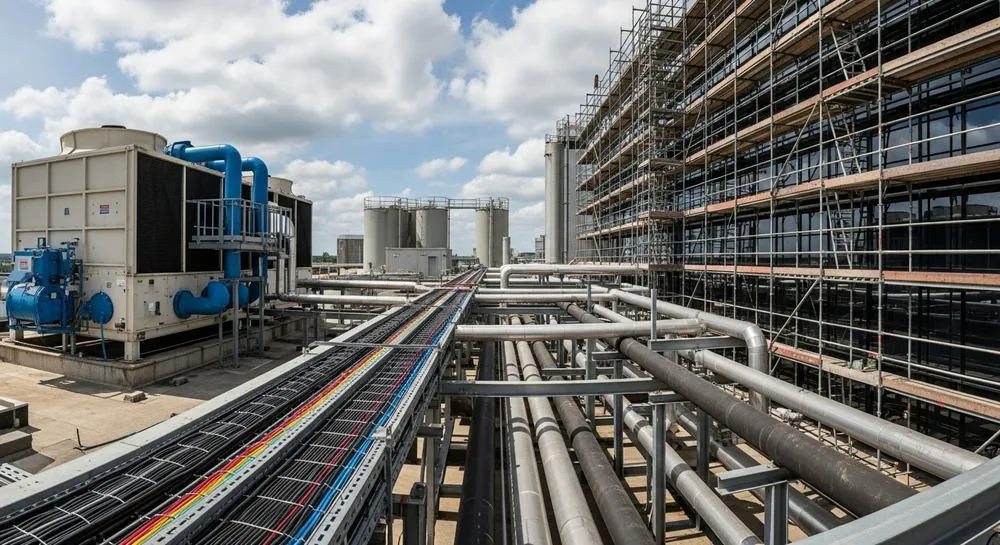
Control de Incrustaciones por Sílice en Enfriadores de la Industria Papelera. Silica Scale Control in Cooling Systems of the Paper Industry

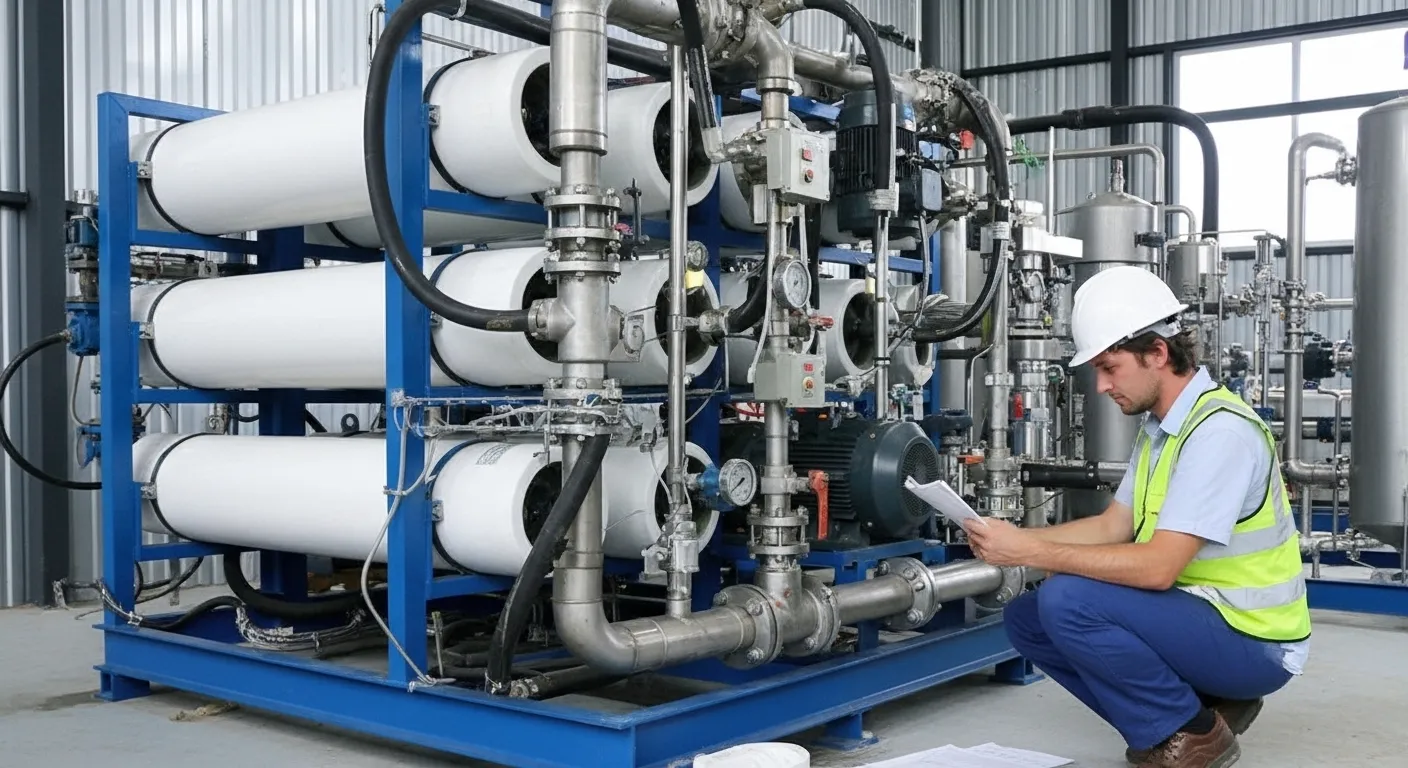
Chemical Cleaning in Reverse Osmosis (RO) Systems

Success Story: Chemical Cleaning in Reverse Osmosis (RO) Systems

Industry: Automotive and Hand Tools

Optimization and Extension of Membrane Lifespan through Chemical Cleaning

Chemical Cleaning in Reverse Osmosis (RO) Systems is an essential practice to maintain efficiency in water treatment processes—particularly in industrial applications where scaling and biofouling buildup can compromise membrane performance. This type of preventive and corrective maintenance helps extend system lifespan, reduce operating costs, and ensure consistent water quality.

Wastewater treatment is critical to preserving public health and environmental balance. Wastewater originates from domestic, industrial, and commercial uses and contains organic and inorganic matter, pathogenic microorganisms, nutrients, and toxic compounds. Without proper management, it can cause unpleasant odors, pollution, and health risks, making its collection, treatment, and proper disposal essential.

Treatment processes are divided into physical, chemical, and biological operations, grouped into three main stages: primary, secondary, and tertiary. Primary treatment removes settleable solids through sedimentation and screening; secondary treatment reduces organic matter via biological processes (such as activated sludge and aerated lagoons); and tertiary or advanced treatment eliminates nutrients, toxic compounds, and dissolved solids through filtration, adsorption, and chemical precipitation.

The physical characteristics of wastewater include total solids, odor, temperature, color, and turbidity; chemical characteristics include the presence of organic and inorganic matter and gases; and biological characteristics involve the diversity of microorganisms—some pathogenic, others beneficial for treatment. Biochemical Oxygen Demand (BOD) is a key parameter for measuring organic pollution and designing treatment plants.

Biological treatment uses bacteria, fungi, algae, and protozoa to degrade organic matter and stabilize waste. Aerobic, anaerobic, and anoxic processes are employed to remove BOD and facilitate nitrification and denitrification.

Advanced treatment enhances effluent quality for reuse or discharge by removing solids, nutrients, and toxic compounds. Recovered treated water can be used for irrigation, aquifer recharge, or industrial reuse. Sludge management remains an environmental challenge that must be addressed efficiently.

In summary, wastewater treatment combines physical, chemical, and biological processes to remove contaminants and protect both health and the environment. Its efficiency depends on proper design, accurate water characterization, and correct plant operation, ensuring the sustainability of water resources.

Challenges in the Reverse Osmosis System

  • Low water production, preventing the system from meeting its original design capacity.
  • Increased operating pressure, reducing overall system efficiency.
  • Frequent membrane replacement due to scaling and/or microbiological growth, leading to higher costs and maintenance downtime.

Results Achieved

  • Increased water production, meeting the original design specifications of the RO system.
  • Reduced operating pressure, improving system performance and lowering operating costs.
  • Extended membrane lifespan, minimizing the need for frequent replacements and reducing downtime.
  • Improved water quality and better control of microbiological growth on membranes.

Conclusion

Proper chemical cleaning is a fundamental pillar to ensure the performance and durability of reverse osmosis systems. This case demonstrates how implementing timely chemical maintenance restored operational efficiency, reduced working pressure, and extended membrane lifespan—ultimately lowering costs and downtime.

Our success stories reflect the importance of preventive and corrective strategies in water treatment. If you aim to optimize your industrial processes and maintain operational continuity, Químicos Roma has the right solutions for your business.

Facing a similar issue?

Contact us for a free technical consultation — together, we’ll find the best solution for your water treatment system.

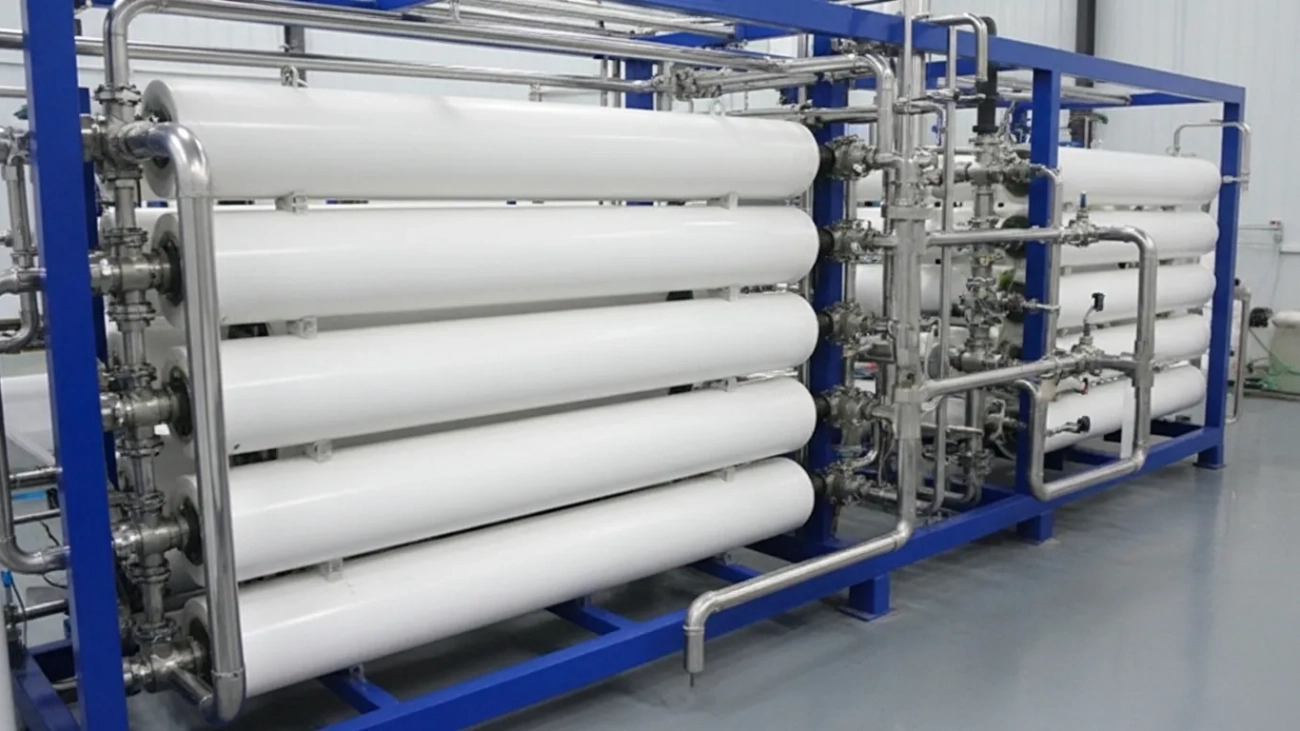
Limpieza Química en Sistemas de Ósmosis Inversa (RO). Chemical Cleaning in Reverse Osmosis (RO) Systems

Use of Alkalizing Agents to Prevent Corrosion in Industrial Plants

Success Story: Use of Alkalizing Agents to Prevent Corrosion in Industrial Plants

Company: Cardboard Manufacturer

The use of alkalizing agents is essential in industrial wastewater treatment, particularly in plants where acidic pH levels can accelerate the corrosion of equipment, pipelines, and structures. This preventive approach enhances system durability and reduces maintenance and replacement costs.

Wastewater treatment plays a vital role in protecting public health and the environment. These waters originate from domestic, commercial, and industrial activities and contain organic and inorganic matter, pathogenic microorganisms, nutrients, and toxic compounds. Without proper treatment, they can cause unpleasant odors, contamination, and health hazards.

The treatment process is divided into three stages:

  • Primary treatment, which removes settleable solids through physical processes.
  • Secondary treatment, which reduces organic matter through biological processes such as activated sludge systems.
  • Tertiary (advanced) treatment, which eliminates nutrients and toxic compounds using techniques like filtration and chemical precipitation.

Wastewater characteristics are classified as physical (odor, turbidity, temperature), chemical (organic and inorganic matter, gases), and biological (microbial diversity). Biochemical Oxygen Demand (BOD) is a key parameter used to assess organic load and design efficient systems.

Biological treatment uses bacteria, fungi, and protozoa to degrade waste and can operate under aerobic, anaerobic, or anoxic conditions. Advanced treatment enables water reuse for irrigation, aquifer recharge, or industrial applications. Additionally, sludge generated in the process must be properly managed to minimize environmental impact.

Proper design and efficient operation ensure both water sustainability and regulatory compliance.

Problema Detectado

  • High corrosion potential in pipelines due to low pH in the water.
  • Increased risk of structural damage to plant infrastructure.

Results Achieved

  • No new signs of corrosion after implementing alkalizing treatment.
  • Reduction in dissolved oxygen levels, improving the durability of equipment and infrastructure.

Conclusion

The use of industrial alkalizing agents as part of an integrated water treatment plan helps neutralize acidity, prevent corrosion in metallic systems, and preserve facility integrity. Products like Romamin 50 and Romamin 50P offer an effective solution for industries operating under critical pH conditions.

Our success stories highlight the importance of applying preventive and corrective strategies in water treatment. If you want to optimize your industrial processes and maintain operational continuity, Químicos Roma has the solutions you need.

Facing a similar issue?

Is your plant experiencing corrosion problems due to low pH? Discover how an alkalizing treatment can help protect your infrastructure.

Contact us for a free technical consultation — together, we’ll find the best solution for your water treatment system.

Caso de Éxito: Uso de Alcalinizantes para Prevenir Corrosión en Plantas Industriales. Use of Alkalizing Agents to Prevent Corrosion in Industrial Plants

Odor Control in the Food Industry

Success Story: Odor Control in the Food Industry

Company: Food Industry

Odor control in the food industry is a critical aspect of wastewater treatment, particularly in processes with high organic loads where volatile compounds generate sanitary and environmental nuisances. This treatment is essential to protect public health and maintain ecological balance. Wastewater originates from domestic, industrial, and commercial activities and contains organic and inorganic matter, pathogenic microorganisms, nutrients, and toxic compounds. Without proper management, it can lead to unpleasant odors, contamination, and health risks—hence the need for appropriate collection, treatment, and disposal.

The treatment process is divided into physical, chemical, and biological operations, grouped into three stages: primary, secondary, and tertiary.

  • Primary treatment removes settleable solids through screening and sedimentation.
  • Secondary treatment reduces organic matter using biological processes such as activated sludge and aerated lagoons.
  • Tertiary or advanced treatment eliminates nutrients, toxic compounds, and dissolved solids through techniques like filtration, adsorption, and chemical precipitation.

The physical characteristics of wastewater include total solids, odor, temperature, color, and turbidity; chemical characteristics involve the presence of organic and inorganic matter and gases; and biological characteristics relate to the diversity of microorganisms—some pathogenic, others beneficial for treatment. Biochemical Oxygen Demand (BOD) is a key parameter used to measure organic pollution and design treatment plants.

Biological treatment relies on bacteria, fungi, algae, and protozoa to degrade organic matter and stabilize waste. It can occur under aerobic, anaerobic, or anoxic conditions, enabling BOD removal, nitrification, and denitrification.

Advanced treatment enhances effluent quality for reuse or discharge by removing solids, nutrients, and toxic compounds. Treated water can be reused for irrigation, aquifer recharge, or industrial purposes. Sludge management and final disposal also represent significant environmental challenges.

In conclusion, wastewater treatment combines physical, chemical, and biological processes to eliminate pollutants and protect both health and the environment. Its efficiency depends on proper design, water characterization, and effective plant operation—ensuring the sustainability of water resources.

Identified Problem in Odor Control

The plant experienced severe odor issues caused by organic decomposition, specifically due to the presence of mercaptans and hydrogen sulfide (H₂S). In addition, a high proliferation of vectors (insects) was detected in the sludge generated during the process, compromising workplace conditions and the company’s external perception.

Results Achieved

  • Significant reduction of industrial odors, improving overall air quality within the plant.
  • Drastic decrease in vector presence (insects) within generated sludge, enhancing hygiene and operational safety.
  • Overall process optimization without impacting productivity.

Conclusion

This case demonstrates that the use of Odorcontrol and Romabios 100N, combined with a proper control and monitoring strategy, enables companies in the food sector to comply with environmental regulations while ensuring safe and pleasant conditions for their workers and surroundings.

Our success stories reflect the importance of implementing preventive and corrective strategies in water treatment. If you want to optimize your industrial processes and maintain operational continuity, Químicos Roma has the solutions you need.

Facing a similar challenge?

Contact us for a free technical consultation. Our team is ready to help you diagnose, optimize, and transform your water treatment system with reliable and effective solutions.

Control de Olores. Odor Control in the Food Industry

Biomass Conditioning for Nitrogen Reduction in Municipal Wastewater

Success Story: Biomass Conditioning for Nitrogen Reduction in Municipal Wastewater

Efficient nitrogen treatment in municipal effluents is essential to meet environmental regulations and protect water resources. In this case, a municipal water management company achieved outstanding results through the use of specialized products for biomass conditioning.

Company: Municipal Water Administration

Biomass Conditioning for Nitrogen Reduction in Municipal Wastewater is a key strategy within the wastewater treatment process. It enhances biological efficiency and ensures compliance with stringent environmental standards. Wastewater results from domestic, industrial, and commercial water use, containing organic and inorganic matter, microorganisms, and toxic compounds. If left untreated, it can cause contamination, unpleasant odors, and health risks. Proper treatment is therefore crucial to safeguard public health and the environment.

The treatment process is divided into three stages. Primary treatment removes settleable solids through physical processes such as screening and sedimentation. Secondary treatment applies biological methods to degrade organic matter. Finally, tertiary or advanced treatment uses additional chemical and physical processes to remove nutrients and persistent contaminants.

The characteristics of wastewater are classified as physical, chemical, and biological. Physical properties include solids, color, and odor; chemical ones relate to organic and inorganic content; and biological properties involve microorganisms — some pathogenic and others beneficial. One of the most critical parameters is BOD (Biochemical Oxygen Demand), which measures the amount of oxygen microorganisms require to decompose organic matter.

Biological processes are categorized as aerobic, anaerobic, and anoxic. These enable the removal of organic matter and nutrients such as nitrogen and phosphorus. Advanced treatments like filtration and adsorption further improve water quality for reuse in irrigation, industry, or aquifer recharge.

Finally, the sludge generated during treatment must be properly managed to avoid environmental impacts. Overall, wastewater treatment is a vital tool for ensuring water availability and quality, contributing to environmental sustainability.

Identified Problem

The plant exhibited a high concentration of nitrogen in the treated effluent, with an actual value of 40 mg/L. This level exceeded the permissible environmental limit, requiring reduction to below 25 mg/L.

Results Achieved

  • Effective reduction of nitrogen to 22 mg/L, below the target value (< 25 mg/L).
  • Treatment duration: 90 days.
  • Significant improvement in effluent quality.
  • Full compliance with current environmental regulations.

The implementation of biomass conditioning using Romaflock ODO and RomaNu MC allowed this municipal water administration to consistently achieve the desired nitrogen levels in its effluent, meeting environmental regulatory requirements. This solution not only addressed a complex technical challenge but also improved biological stability, reduced nutrient load, and optimized overall plant performance.

This case demonstrates that, when the right chemical technologies are applied within a well-designed and executed strategy, it is possible to achieve tangible benefits in wastewater treatment operations. From improving energy efficiency to reducing reprocessing costs or environmental penalties, the positive impact is comprehensive.

At Químicos Roma, we understand that every treatment system operates under unique conditions. Our success stories highlight the importance of applying preventive and corrective solutions tailored to each operational environment. If you aim to optimize your industrial processes, meet environmental standards, and ensure operational continuity, we have the expertise, products, and technical support you need.

Facing a similar challenge?

Contact us for a free technical consultation. Our team is ready to help you diagnose, optimize, and transform your water treatment system with reliable and effective solutions.

Acondicionamiento de Biomasa para Reducción de Nitrógeno en Aguas Residuales Municipales

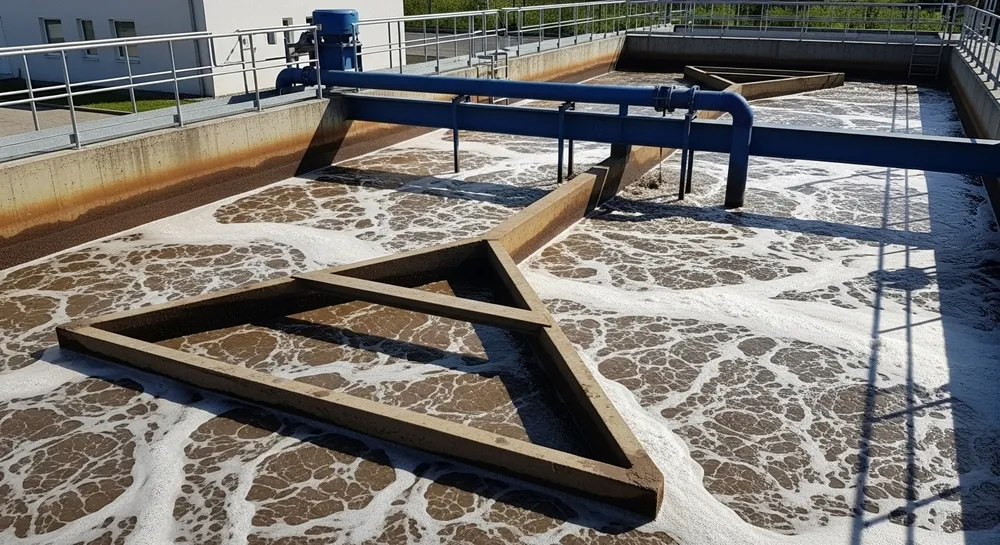
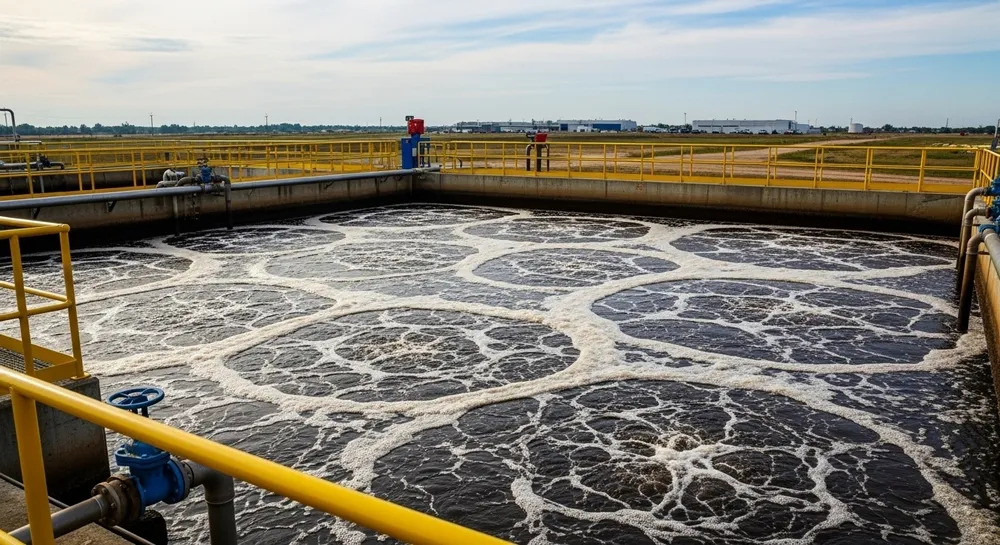
Foam Control in Aerobic Reactors | Effective Solution for the Pulp and Paper Industry

Success Story: Foam Control in Aerobic Reactors | Effective Solution for the Pulp and Paper Industry

Company: Paper and Cardboard Manufacturer

Foam control in aerobic reactors is a critical part of the wastewater treatment process—essential for preserving public health and maintaining environmental balance. These waters originate from domestic, industrial, and commercial activities, containing organic and inorganic matter, pathogenic microorganisms, nutrients, and toxic compounds. Their accumulation generates foul odors, contamination, and health risks; therefore, they must be properly collected, treated, and safely disposed of.

Wastewater treatment involves physical, chemical, and biological operations, grouped into three main stages: primary, secondary, and tertiary. Primary treatment removes settleable solids through screening and sedimentation; secondary treatment reduces organic matter using biological processes such as activated sludge or aerated lagoons; and tertiary or advanced treatment eliminates nutrients, toxic compounds, and dissolved solids through filtration, adsorption, and chemical precipitation.

The physical characteristics of wastewater include total solids, odor, temperature, color, and turbidity; chemical characteristics involve the presence of organic and inorganic matter and gases; and biological characteristics refer to the diversity of microorganisms—some pathogenic, others beneficial for treatment. The Biochemical Oxygen Demand (BOD) is a key parameter for measuring organic pollution and designing treatment plants.

Biological treatment employs bacteria, fungi, algae, and protozoa to degrade organic matter and stabilize waste. These processes may be aerobic, anaerobic, or anoxic, allowing for BOD removal, nitrification, and denitrification.

Advanced treatment enhances effluent quality for reuse or discharge by removing solids, nutrients, and toxic compounds. Treated water can be reused for irrigation, aquifer recharge, or industrial purposes. Sludge management is also crucial, as its handling and final disposal represent significant environmental challenges.

In summary, wastewater treatment combines physical, chemical, and biological processes to remove contaminants and protect both health and the environment. Its efficiency depends on proper design, water characterization, and correct plant operation—ensuring sustainable use of water resources.

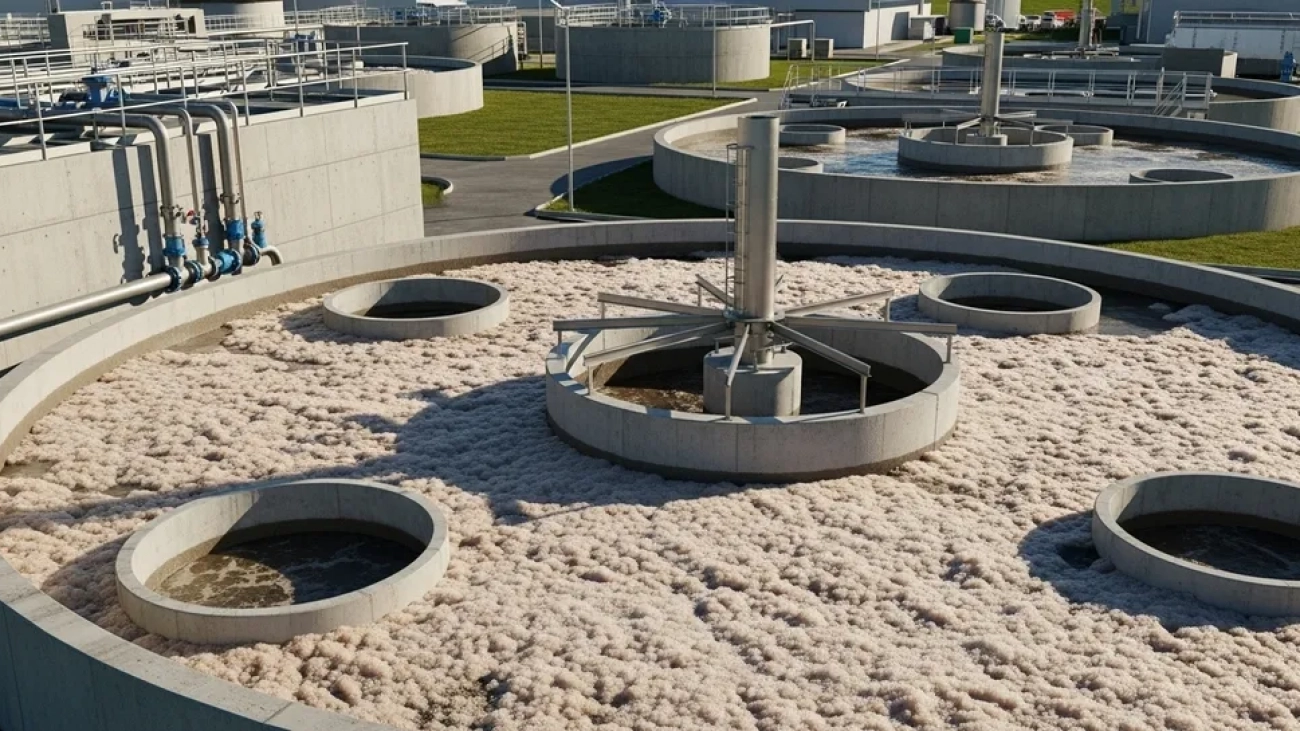
Identified Problem: Foam Control in Aerobic Reactors

The company faced excessive foam formation in its aerobic reactors, which directly affected the efficiency of the wastewater treatment process. This foam buildup caused frequent operational interruptions and increased maintenance costs.

Results Achieved

  • Permanent elimination of foam in aerobic reactors.
  • Significant improvement in the efficiency of the biological treatment system.
  • Reduction of operational interruptions and optimized performance.

Conclusion

The implementation of Romafoam 251 enabled effective and sustained foam control, improving overall system performance and supporting compliance with the plant’s operational standards.

This case demonstrates the importance of using specialized chemical solutions to address recurring issues in the pulp and paper industry.

At Químicos Roma, our success stories highlight the value of applying preventive and corrective strategies in water treatment. If you aim to optimize your industrial processes and maintain operational continuity, we have the solutions you need.

Facing a Similar Challenge?

Contact us for a free technical consultation. Together, we’ll find the best solution for your water treatment system.

At Químicos Roma, we transform chemistry into results.

Control de Espuma en Reactores Aeróbicos | Solución Eficaz en la Industria de Papel y Cartón. Foam Control in Aerobic Reactors

Vector Control in Dewatered Sludge within the Food Industry

Success Story: Vector Control in Dewatered Sludge within the Food Industry

Company: Food Industry – Vector Control in Dewatered Sludge

Wastewater treatment is essential to protect public health and maintain environmental balance. Wastewater originates from domestic, industrial, and commercial activities, containing organic and inorganic matter, pathogenic microorganisms, nutrients, and toxic compounds. Its accumulation generates foul odors, pollution, and health risks; therefore, it must be properly collected, treated, and safely disposed of.

Treatment processes are divided into physical, chemical, and biological operations, grouped into three stages: primary, secondary, and tertiary. Primary treatment removes settleable solids through screening and sedimentation; secondary treatment reduces organic matter through biological processes such as activated sludge and aerated lagoons; and tertiary or advanced treatment eliminates nutrients, toxic compounds, and dissolved solids using techniques like filtration, adsorption, and chemical precipitation.

The physical characteristics of wastewater include total solids, odor, temperature, color, and turbidity; the chemical ones involve organic and inorganic matter and gases; and the biological characteristics refer to the diversity of microorganisms—some pathogenic, others beneficial for treatment. Biochemical Oxygen Demand (BOD) is a key parameter for measuring organic pollution and designing treatment plants.

Biological treatment uses bacteria, fungi, algae, and protozoa to degrade organic matter and stabilize residues. These processes can be aerobic, anaerobic, or anoxic, enabling the removal of BOD, nitrification, and denitrification.

Advanced treatment enhances effluent quality for reuse or discharge, removing solids, nutrients, and toxic compounds. Treated water can be recovered for irrigation, aquifer recharge, or industrial use. Sludge management is also a critical stage, as handling and final disposal represent environmental and operational challenges.

In conclusion, wastewater treatment combines physical, chemical, and biological processes to eliminate contaminants and protect both health and the environment. Its efficiency depends on proper design, water characterization, and correct plant operation—ensuring the sustainability of water resources.

Identified Problem: Vector Control in Dewatered Sludge

The high presence of microorganisms in dewatered sludge posed a critical challenge for vector control, creating significant health risks and complicating compliance with NOM-004-SEMARNAT, the Mexican standard for the proper management of biosolids.

Results Achieved

  • Full compliance with NOM-004-SEMARNAT, ensuring safe sludge treatment and disposal.
  • Significant reduction of microorganisms, effectively eliminating health risks.
  • Noticeable improvement in the sludge dewatering process.
  • Safer and cleaner working conditions for plant operators.
  •  

Conclusion

The incorporation of Romabios 100N into the sludge treatment process enabled a food industry plant to effectively address a critical issue: the proliferation of vectors in dewatered sludge. Thanks to this specialized biological solution, the company successfully eliminated sanitary risk sources, achieved compliance with NOM-004-SEMARNAT, and improved overall system efficiency.

This case demonstrates how the combination of advanced chemical technologies and biological control strategies can transform the operation of a wastewater treatment plant (WWTP). By reducing microbiological load and stabilizing sludge behavior, dewatering processes become more efficient, disposal costs are minimized, and environmental compliance is strengthened.

At Químicos Roma, we understand that each plant faces unique challenges. Our success stories highlight the importance of applying preventive and corrective solutions tailored to each operational environment.

If you’re looking to improve your water treatment system’s performance and ensure process continuity, our team is ready to help.

Facing a Similar Challenge?

Contact us for a free technical consultation. Together, we’ll find the best solution for your water treatment system.

At Químicos Roma, we transform chemistry into results.

Control de Vectores en Lodos Deshidratados en la Industria Alimenticia

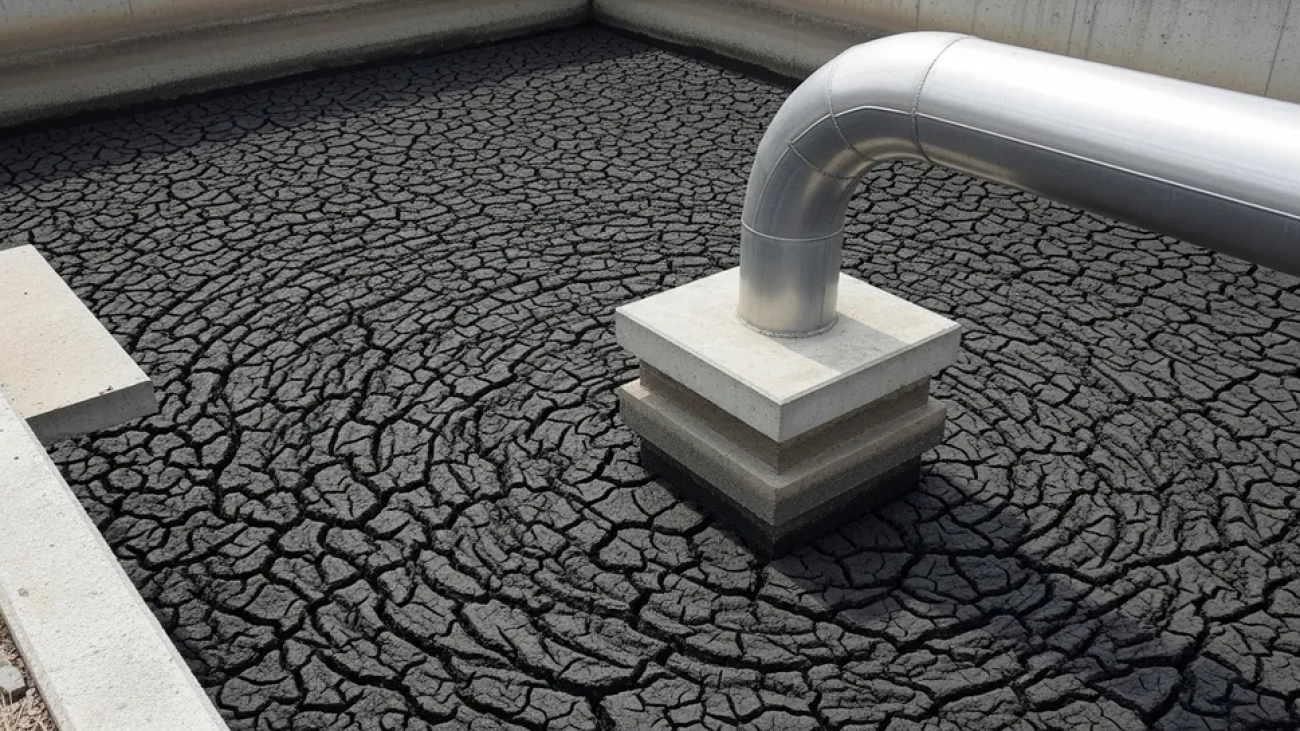
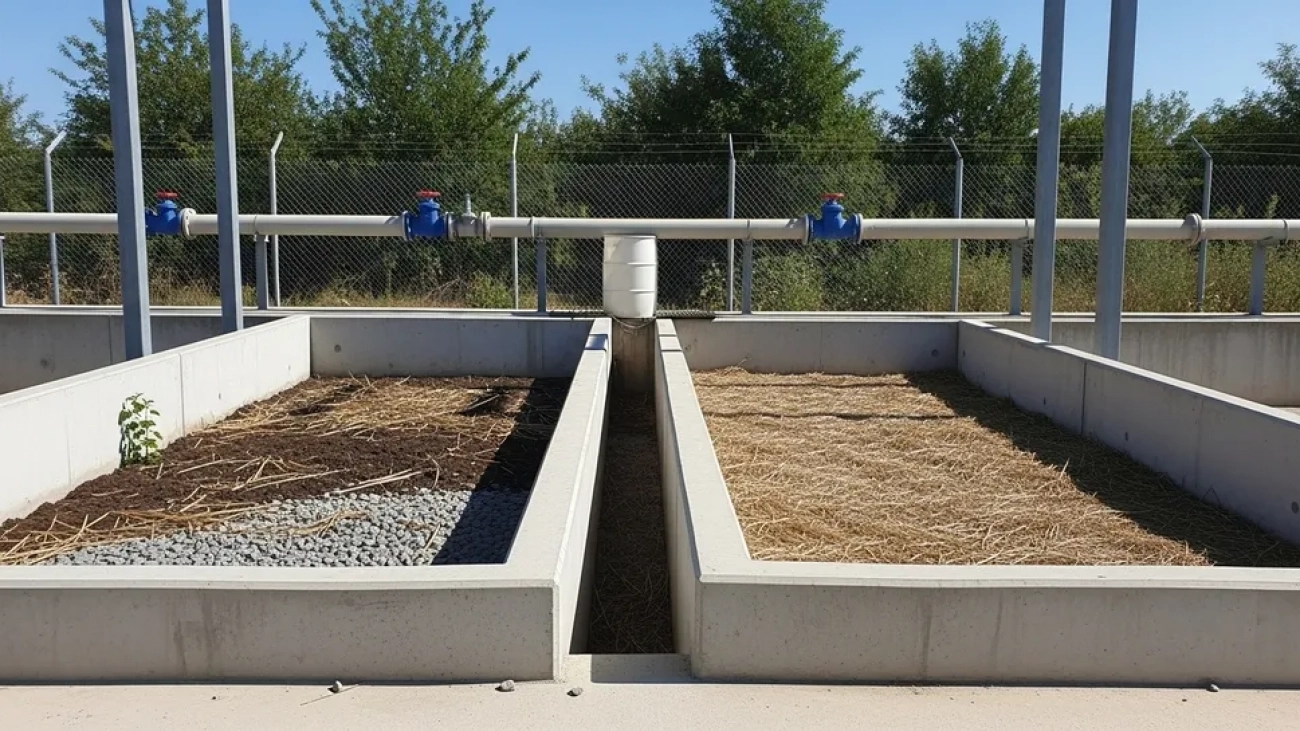
Sludge Dewatering | Optimize Your Municipal WWTP

Success Story: Sludge Dewatering | Optimize Your Municipal WWTP

Company: Municipal Water Administration

Sludge Dewatering is a critical step in wastewater treatment, which is essential to protect public health and maintain environmental balance. Wastewater originates from domestic, industrial, and commercial uses, containing organic and inorganic matter, pathogenic microorganisms, nutrients, and toxic compounds. Its accumulation generates foul odors, contamination, and health risks; therefore, it must be properly collected, treated, and disposed of.

Treatment processes are divided into physical, chemical, and biological operations, grouped into three stages: primary, secondary, and tertiary. Primary treatment removes settleable solids through screening and sedimentation; secondary treatment reduces organic matter using biological processes such as activated sludge or aerated lagoons; and tertiary or advanced treatment removes nutrients, toxic compounds, and dissolved solids through filtration, adsorption, and chemical precipitation.

The physical characteristics of wastewater include total solids, odor, temperature, color, and turbidity; chemical characteristics refer to the presence of organic and inorganic matter and gases; while biological characteristics involve microorganisms—some pathogenic, others beneficial for treatment. Biochemical Oxygen Demand (BOD) is a key parameter used to measure organic pollution and design treatment plants.

Biological treatment uses bacteria, fungi, algae, and protozoa to degrade organic matter and stabilize residues. These processes can be aerobic, anaerobic, or anoxic, enabling the removal of BOD, nitrification, and denitrification.

Advanced treatment improves effluent quality for reuse or discharge, removing solids, nutrients, and toxic compounds. Treated water can be recovered for irrigation, aquifer recharge, or industrial reuse. Sludge management is also a crucial step, as its handling and final disposal represent an environmental challenge.

In conclusion, wastewater treatment combines physical, chemical, and biological processes to eliminate contaminants and protect health and the environment. Its efficiency depends on proper design, wastewater characterization, and correct plant operation—ensuring the sustainability of water resources.

Identified Problem: Sludge Dewatering

The high moisture content in pressed sludge directly affected the efficiency of the dewatering process, causing operational delays, higher final disposal costs, and difficulties in complying with environmental regulations.

Results Achieved

  • Dewatering efficiency greater than 80%.
  • Optimized consumption: 2 kg of polymer per ton of dry sludge.
  • Reduced moisture content in pressed sludge, facilitating its disposal.

Conclusion

The use of Romaflock 465L/411/703 polymers in municipal plants significantly improves sludge management by increasing dewatering efficiency, reducing environmental impact, and optimizing resource usage.

Our success stories highlight the importance of implementing preventive and corrective strategies in water treatment. If you want to optimize your industrial processes and maintain operational continuity, Químicos Roma has the solutions you need.

Facing a Similar Challenge?

Contact us for a free technical consultation. Together, we’ll find the best solution for your water treatment system.

At Químicos Roma, we transform chemistry into results.

Deshidratación de Lodos. Sludge Dewatering | Optimize Your Municipal WWTP

Efficient Waste Treatment in Automotive Paint Booths

Success Story: Efficient Waste Treatment in Automotive Paint Booths

Company: Automotive Sector – Waste Management in Paint Booths

Wastewater treatment is essential to protect public health and maintain environmental balance. Wastewater originates from domestic, industrial, and commercial uses, containing organic and inorganic matter, pathogenic microorganisms, nutrients, and toxic compounds. Its accumulation generates foul odors, pollution, and health risks; therefore, it must be properly collected, treated, and disposed of.

Treatment processes are divided into physical, chemical, and biological operations, grouped into three stages: primary, secondary, and tertiary. Primary treatment removes settleable solids through screening and sedimentation; secondary treatment reduces organic matter using biological processes such as activated sludge or aerated lagoons; and tertiary or advanced treatment removes nutrients, toxic compounds, and dissolved solids through filtration, adsorption, and chemical precipitation.

The physical characteristics of wastewater include total solids, odor, temperature, color, and turbidity; chemical characteristics refer to the presence of organic and inorganic matter and gases; while biological characteristics involve microorganisms—some pathogenic, others beneficial for treatment. Biochemical Oxygen Demand (BOD) is a key parameter used to measure organic pollution and design treatment plants.

Biological treatment uses bacteria, fungi, algae, and protozoa to degrade organic matter and stabilize residues. These processes can be aerobic, anaerobic, or anoxic, enabling the removal of BOD, nitrification, and denitrification.

Advanced treatment enhances effluent quality for reuse or discharge, removing solids, nutrients, and toxic compounds. Treated water can be recovered for irrigation, aquifer recharge, or industrial reuse. Sludge management is also a crucial step, as its handling and final disposal represent environmental challenges.

In conclusion, wastewater treatment combines physical, chemical, and biological processes to eliminate contaminants and safeguard health and the environment. Its efficiency depends on proper design, wastewater characterization, and correct plant operation—ensuring the sustainable use of water resources.

Identified Problem: Paint Booth Waste in the Automotive Sector

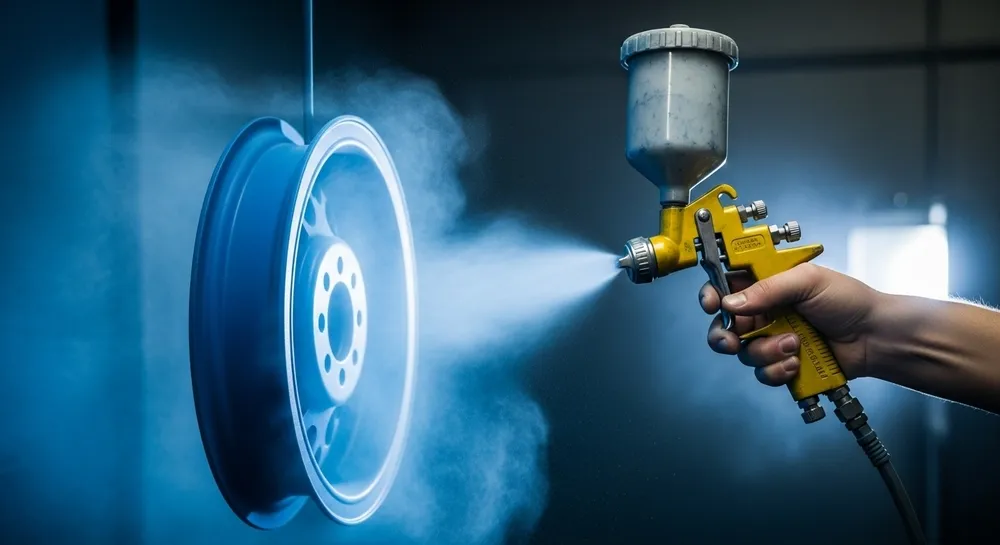
In many automotive facilities, particularly in paint booths, a common issue arises—inefficient treatment of paint waste generated during E-coat processes. This not only causes contamination but also affects the water circulation system, reducing both process efficiency and paint quality.

Results Achieved

After implementing this solution, the results were highly positive:

  • Effective clarification of the paint booth water circuit.
  • Significant improvement in the quality of the treated effluent.
  • Optimization of the paint waste treatment process.
  • Contribution to environmental sustainability and operational efficiency within the automotive plant.

Conclusion

The implementation of specialized products such as Detactificante-2 and Romadetac-22, combined with a comprehensive control and monitoring strategy, successfully resolved a critical issue in E-coat paint booth operations. This intervention stabilized the process, reduced downtime, and improved coating quality—resulting in higher operational efficiency and a positive impact on the environmental sustainability of the system.

This success story demonstrates that with a well-directed technical approach and the right chemical solutions, it is possible to turn complex challenges into opportunities for continuous improvement.

At Químicos Roma, we understand that every plant operates under unique conditions. That’s why we design preventive and corrective strategies tailored to your real operational needs.

Our success stories reflect the importance of anticipating problems, maintaining operational continuity, and meeting the environmental standards required by the automotive industry.

Facing a Similar Challenge?

Contact us for a free technical consultation. Our team of experts is ready to help you diagnose, optimize, and ensure the performance of your industrial processes.

At Químicos Roma, we transform chemistry into results.

Residuos en Cabinas de Pintura Automotriz. Success Story: Efficient Waste Treatment in Automotive Paint Booths

Success Story: Corrosion Control in Iron Ore Slurry Pipelines

Success Story: Corrosion Control in Iron Ore Slurry Pipelines

Company: Iron Ore Producer

Corrosion Control in Iron Ore Slurry Pipelines

Wastewater treatment is essential to preserve public health and environmental balance. Wastewater originates from domestic, industrial, and commercial uses, containing organic and inorganic matter, pathogenic microorganisms, nutrients, and toxic compounds. Its accumulation can cause unpleasant odors, pollution, and health risks, making proper collection, treatment, and disposal essential.

Treatment processes are divided into physical, chemical, and biological operations, grouped into three stages: primary, secondary, and tertiary.

  • Primary treatment removes settleable solids through screening and sedimentation.
  • Secondary treatment reduces organic matter through biological processes such as activated sludge systems or aerated lagoons.
  • Tertiary (advanced) treatment removes nutrients, toxic compounds, and dissolved solids through filtration, adsorption, or chemical precipitation.

Wastewater’s physical characteristics include total solids, odor, temperature, color, and turbidity; chemical characteristics include organic and inorganic compounds and gases; and biological characteristics involve microorganisms—some pathogenic, others beneficial for treatment. The Biochemical Oxygen Demand (BOD) is a key parameter to measure organic pollution and to design treatment plants effectively.

Biological processes can be aerobic, anaerobic, or anoxic, allowing the removal of organic matter and nutrients such as nitrogen and phosphorus. Advanced treatments, such as filtration and adsorption, further improve water quality for reuse in irrigation, industry, or aquifer recharge.

Finally, the resulting sludge must be properly managed to avoid environmental impacts. Overall, wastewater treatment is a key tool to ensure water availability and quality, contributing to environmental sustainability.

Problem: Leakage Due to Corrosion in the Transport System

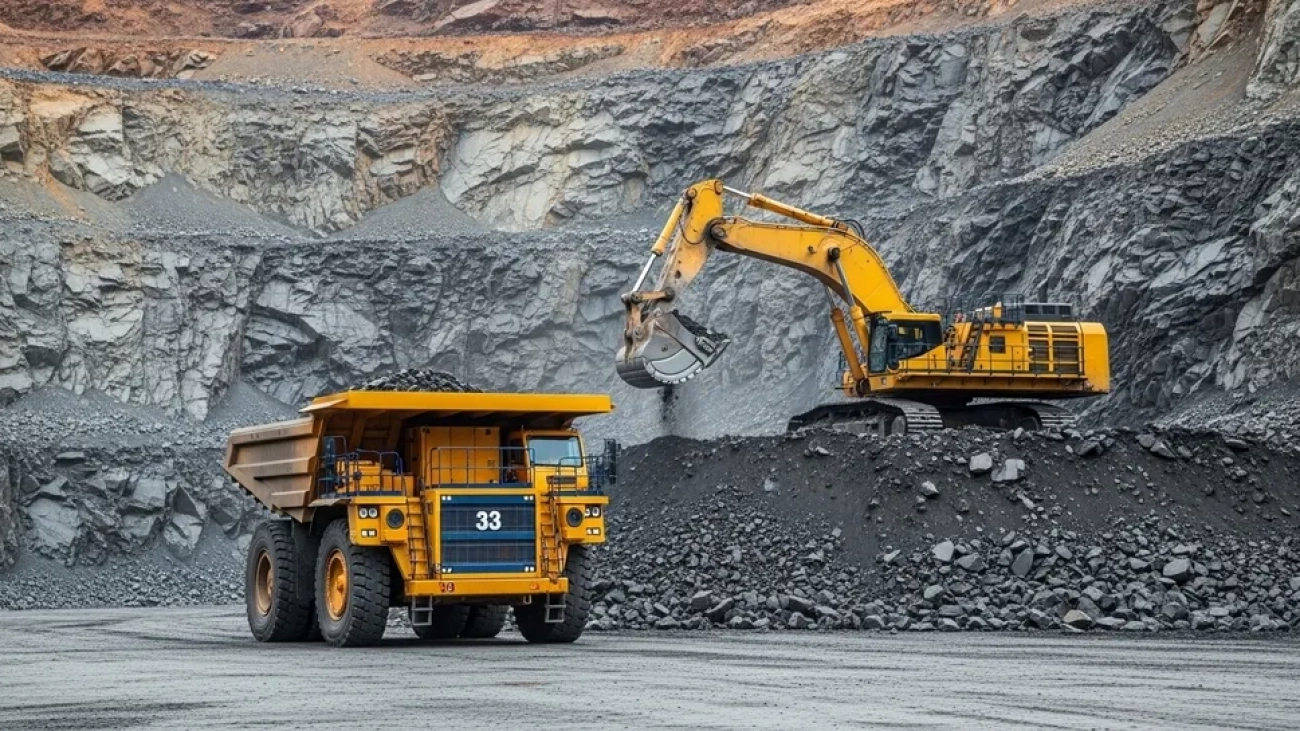
One of the main challenges faced by the company was internal corrosion in the slurry pipeline, caused by dissolved oxygen in the pumping system. This issue led to up to 60 leaks per month along the 27 km pipeline, disrupting operations and generating significant economic losses due to the leakage of concentrated mineral slurry.

Objective of the Sulfite Treatment

The technical objective of the treatment was to control the level of dissolved oxygen by dosing a corrosion inhibitor, targeting the following parameters:

  • 15 ppm residual at the pipeline inlet
  • 5 ppm minimum residual at the pipeline outlet

Results Achieved

After implementing the treatment, the following results were obtained:

  • 15 ppm residual at the inlet
  • 10 ppm residual at the outlet

Although the residual concentration was slightly higher than expected, the results showed a significant improvement in internal corrosion control, resulting in a substantial reduction in leaks across the pipeline.

Conclusion

This case demonstrates that the use of corrosion inhibitors such as Romaoxyn 30, combined with efficient monitoring, can make a decisive difference in preventing leaks and optimizing the operation of mining slurry pipelines. It is an effective solution that enhances both sustainability and efficiency in industrial mineral transport systems.

Our success stories highlight the importance of implementing preventive and corrective strategies in water treatment.

If you want to optimize your industrial processes and maintain operational continuity, Químicos Roma has the solutions you need.

Facing a Similar Challenge?

Contact us for a free technical consultation. Together, we’ll find the best solution for your water treatment system.

Control de Corrosión