Company: Municipal Water Administration
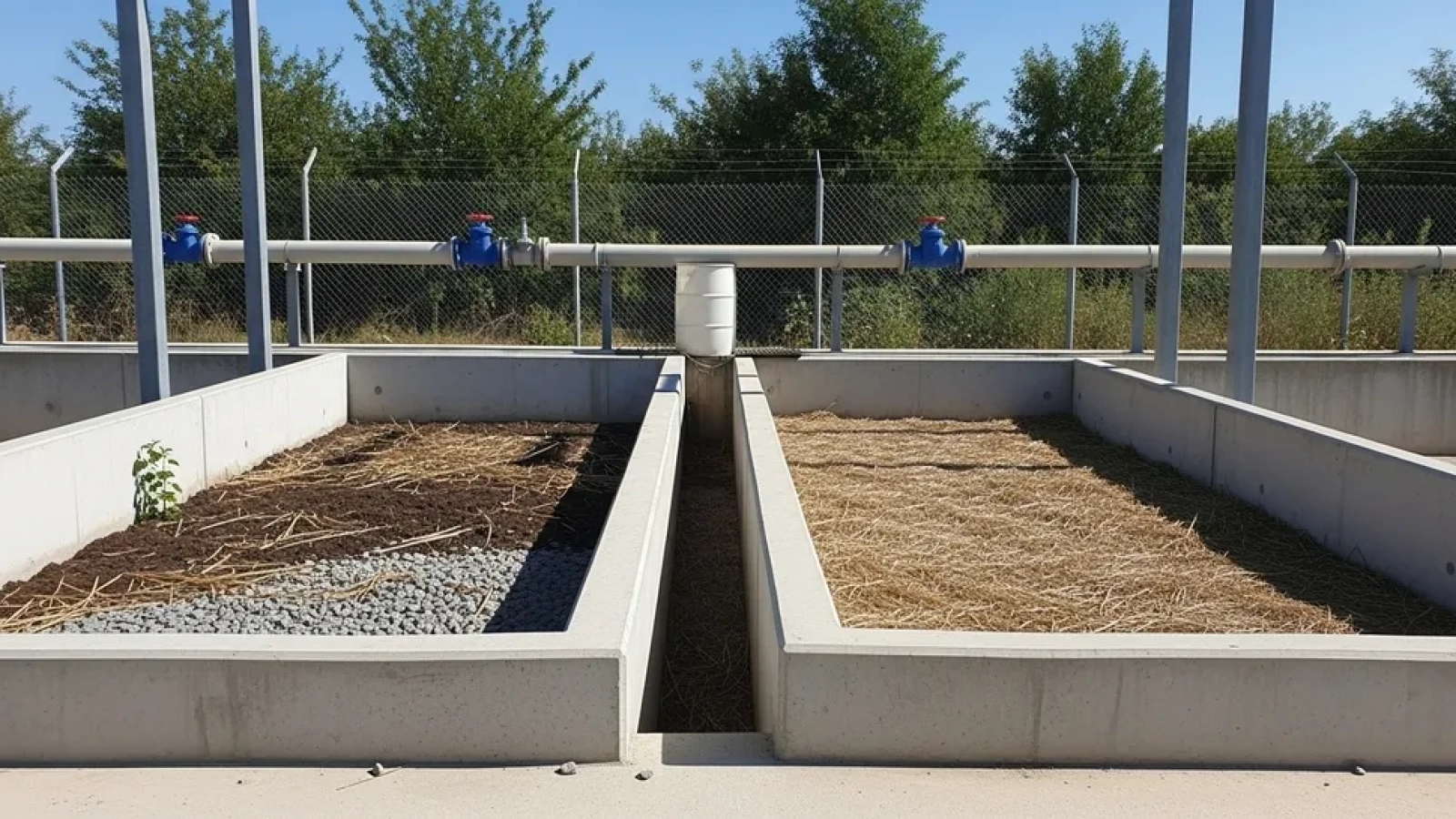
Sludge Dewatering is a critical step in wastewater treatment, which is essential to protect public health and maintain environmental balance. Wastewater originates from domestic, industrial, and commercial uses, containing organic and inorganic matter, pathogenic microorganisms, nutrients, and toxic compounds. Its accumulation generates foul odors, contamination, and health risks; therefore, it must be properly collected, treated, and disposed of.
Treatment processes are divided into physical, chemical, and biological operations, grouped into three stages: primary, secondary, and tertiary. Primary treatment removes settleable solids through screening and sedimentation; secondary treatment reduces organic matter using biological processes such as activated sludge or aerated lagoons; and tertiary or advanced treatment removes nutrients, toxic compounds, and dissolved solids through filtration, adsorption, and chemical precipitation.
The physical characteristics of wastewater include total solids, odor, temperature, color, and turbidity; chemical characteristics refer to the presence of organic and inorganic matter and gases; while biological characteristics involve microorganisms—some pathogenic, others beneficial for treatment. Biochemical Oxygen Demand (BOD) is a key parameter used to measure organic pollution and design treatment plants.
Biological treatment uses bacteria, fungi, algae, and protozoa to degrade organic matter and stabilize residues. These processes can be aerobic, anaerobic, or anoxic, enabling the removal of BOD, nitrification, and denitrification.
Advanced treatment improves effluent quality for reuse or discharge, removing solids, nutrients, and toxic compounds. Treated water can be recovered for irrigation, aquifer recharge, or industrial reuse. Sludge management is also a crucial step, as its handling and final disposal represent an environmental challenge.
In conclusion, wastewater treatment combines physical, chemical, and biological processes to eliminate contaminants and protect health and the environment. Its efficiency depends on proper design, wastewater characterization, and correct plant operation—ensuring the sustainability of water resources.
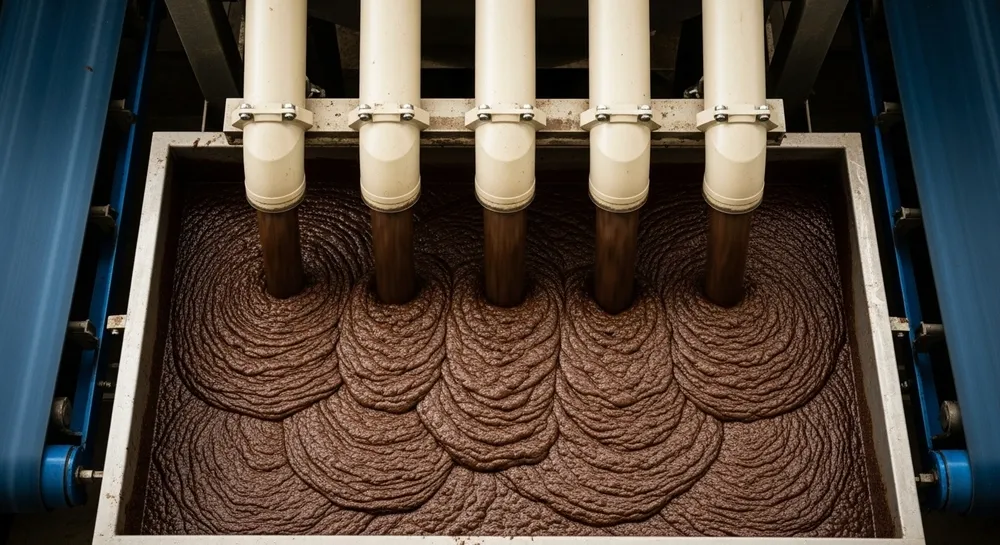
Identified Problem: Sludge Dewatering
The high moisture content in pressed sludge directly affected the efficiency of the dewatering process, causing operational delays, higher final disposal costs, and difficulties in complying with environmental regulations.
Results Achieved
- Dewatering efficiency greater than 80%.
- Optimized consumption: 2 kg of polymer per ton of dry sludge.
- Reduced moisture content in pressed sludge, facilitating its disposal.