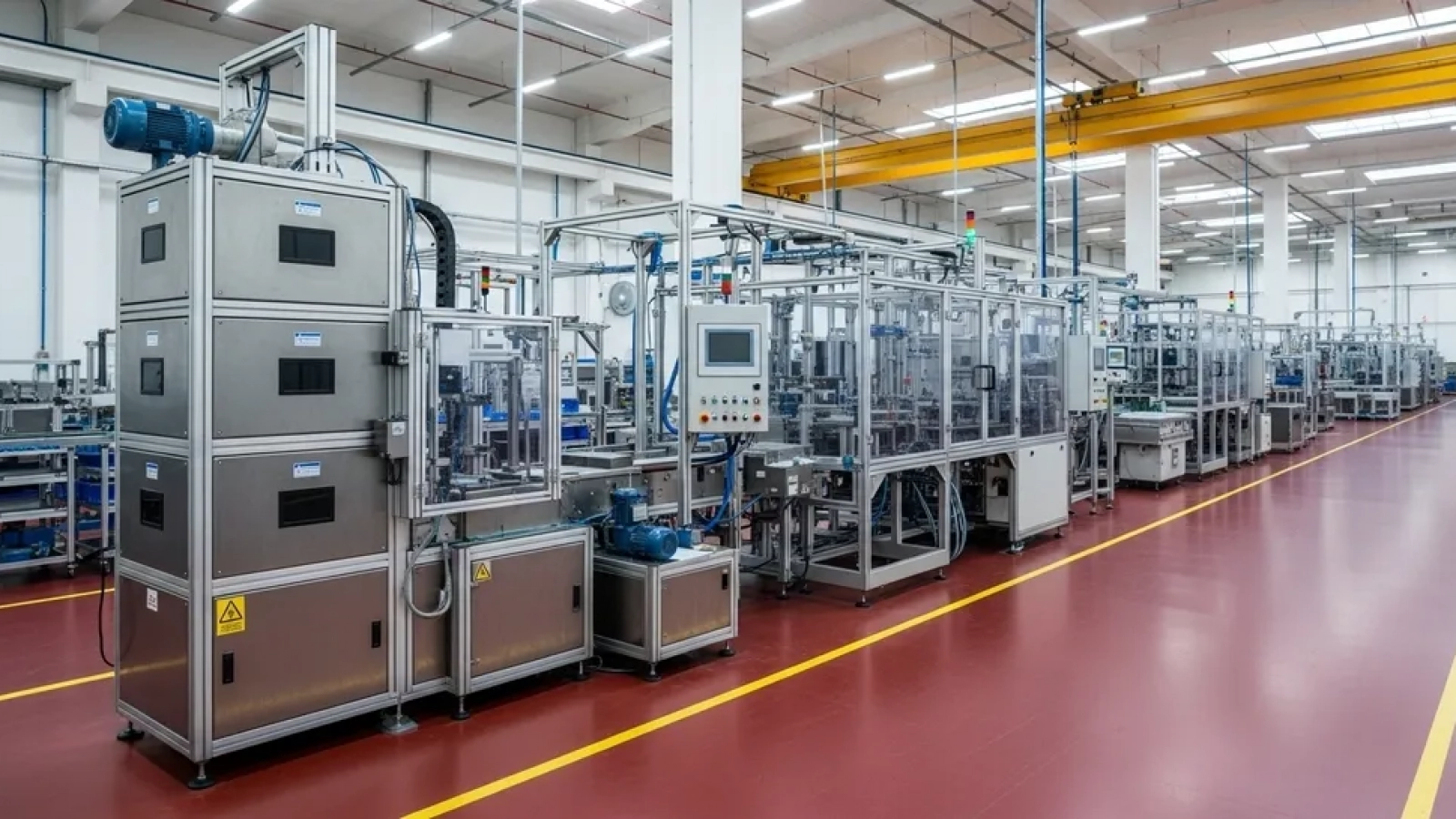
Company: Food Industry
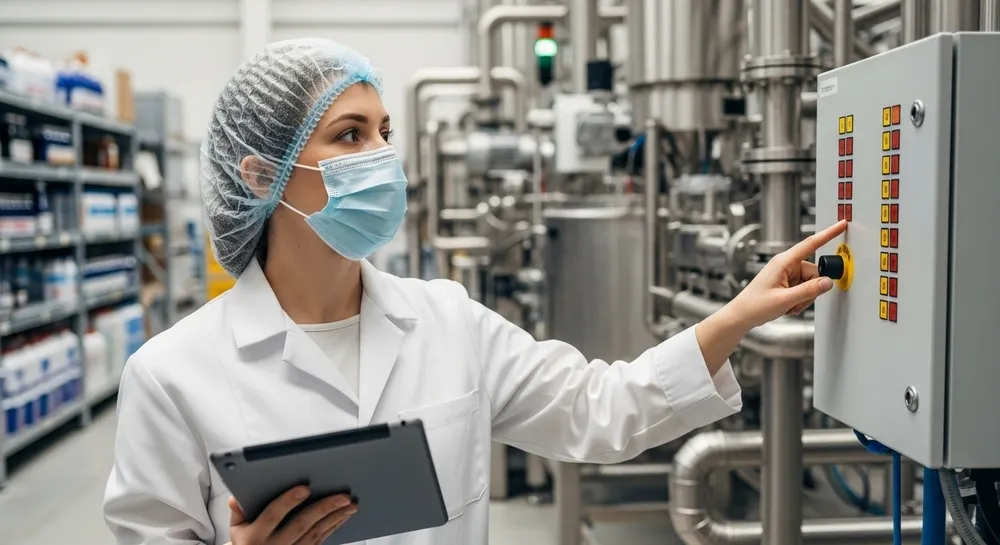
Odor control in the food industry is a critical aspect of wastewater treatment, particularly in processes with high organic loads where volatile compounds generate sanitary and environmental nuisances. This treatment is essential to protect public health and maintain ecological balance. Wastewater originates from domestic, industrial, and commercial activities and contains organic and inorganic matter, pathogenic microorganisms, nutrients, and toxic compounds. Without proper management, it can lead to unpleasant odors, contamination, and health risks—hence the need for appropriate collection, treatment, and disposal.
The treatment process is divided into physical, chemical, and biological operations, grouped into three stages: primary, secondary, and tertiary.
- Primary treatment removes settleable solids through screening and sedimentation.
- Secondary treatment reduces organic matter using biological processes such as activated sludge and aerated lagoons.
- Tertiary or advanced treatment eliminates nutrients, toxic compounds, and dissolved solids through techniques like filtration, adsorption, and chemical precipitation.
The physical characteristics of wastewater include total solids, odor, temperature, color, and turbidity; chemical characteristics involve the presence of organic and inorganic matter and gases; and biological characteristics relate to the diversity of microorganisms—some pathogenic, others beneficial for treatment. Biochemical Oxygen Demand (BOD) is a key parameter used to measure organic pollution and design treatment plants.
Biological treatment relies on bacteria, fungi, algae, and protozoa to degrade organic matter and stabilize waste. It can occur under aerobic, anaerobic, or anoxic conditions, enabling BOD removal, nitrification, and denitrification.
Advanced treatment enhances effluent quality for reuse or discharge by removing solids, nutrients, and toxic compounds. Treated water can be reused for irrigation, aquifer recharge, or industrial purposes. Sludge management and final disposal also represent significant environmental challenges.
In conclusion, wastewater treatment combines physical, chemical, and biological processes to eliminate pollutants and protect both health and the environment. Its efficiency depends on proper design, water characterization, and effective plant operation—ensuring the sustainability of water resources.
Identified Problem in Odor Control
The plant experienced severe odor issues caused by organic decomposition, specifically due to the presence of mercaptans and hydrogen sulfide (H₂S). In addition, a high proliferation of vectors (insects) was detected in the sludge generated during the process, compromising workplace conditions and the company’s external perception.
Results Achieved
- Significant reduction of industrial odors, improving overall air quality within the plant.
- Drastic decrease in vector presence (insects) within generated sludge, enhancing hygiene and operational safety.
- Overall process optimization without impacting productivity.
This case demonstrates that the use of Odorcontrol and Romabios 100N, combined with a proper control and monitoring strategy, enables companies in the food sector to comply with environmental regulations while ensuring safe and pleasant conditions for their workers and surroundings.
Our success stories reflect the importance of implementing preventive and corrective strategies in water treatment. If you want to optimize your industrial processes and maintain operational continuity, Químicos Roma has the solutions you need.
Facing a similar challenge?
Contact us for a free technical consultation. Our team is ready to help you diagnose, optimize, and transform your water treatment system with reliable and effective solutions.