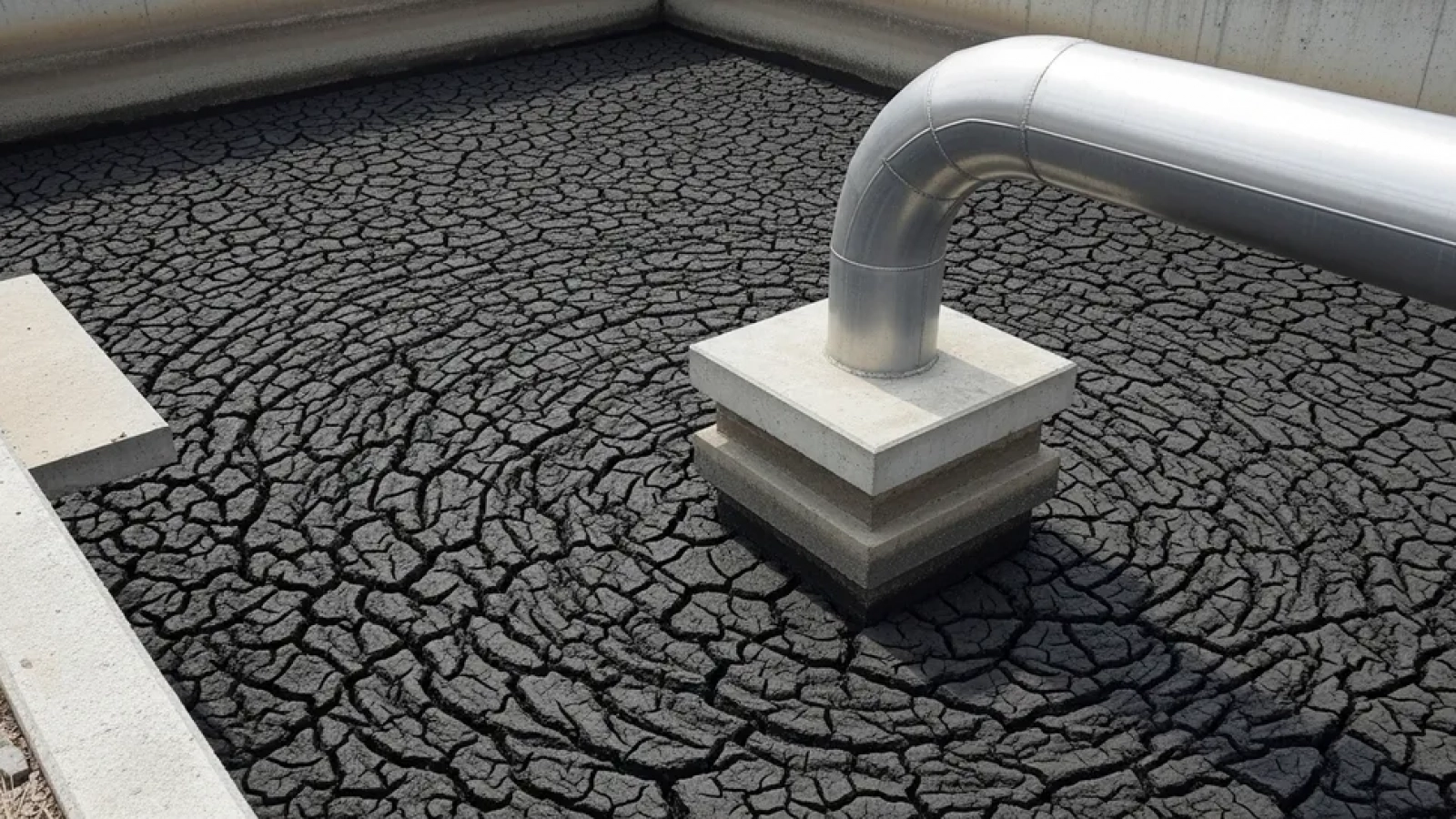
Company: Food Industry – Vector Control in Dewatered Sludge
Wastewater treatment is essential to protect public health and maintain environmental balance. Wastewater originates from domestic, industrial, and commercial activities, containing organic and inorganic matter, pathogenic microorganisms, nutrients, and toxic compounds. Its accumulation generates foul odors, pollution, and health risks; therefore, it must be properly collected, treated, and safely disposed of.
Treatment processes are divided into physical, chemical, and biological operations, grouped into three stages: primary, secondary, and tertiary. Primary treatment removes settleable solids through screening and sedimentation; secondary treatment reduces organic matter through biological processes such as activated sludge and aerated lagoons; and tertiary or advanced treatment eliminates nutrients, toxic compounds, and dissolved solids using techniques like filtration, adsorption, and chemical precipitation.
The physical characteristics of wastewater include total solids, odor, temperature, color, and turbidity; the chemical ones involve organic and inorganic matter and gases; and the biological characteristics refer to the diversity of microorganisms—some pathogenic, others beneficial for treatment. Biochemical Oxygen Demand (BOD) is a key parameter for measuring organic pollution and designing treatment plants.
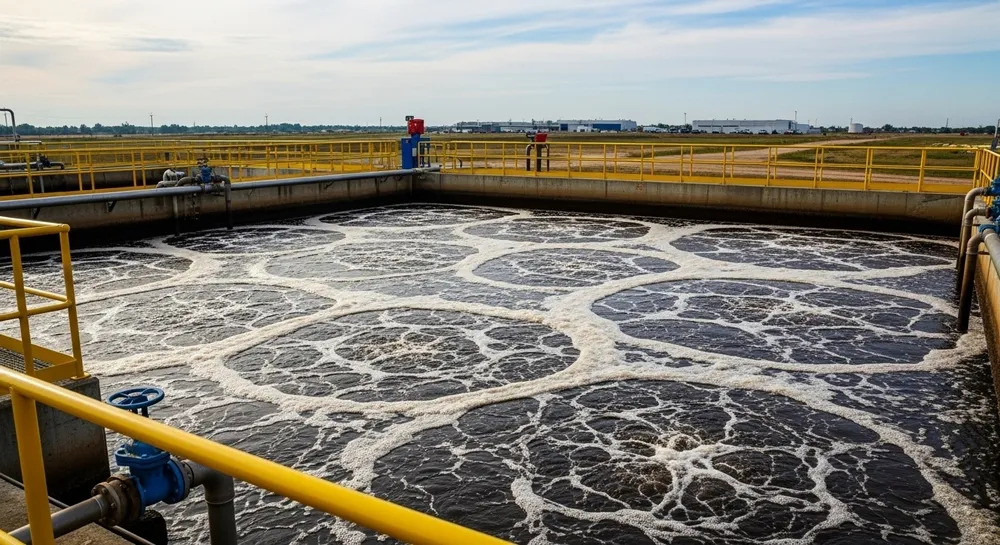
Biological treatment uses bacteria, fungi, algae, and protozoa to degrade organic matter and stabilize residues. These processes can be aerobic, anaerobic, or anoxic, enabling the removal of BOD, nitrification, and denitrification.
Advanced treatment enhances effluent quality for reuse or discharge, removing solids, nutrients, and toxic compounds. Treated water can be recovered for irrigation, aquifer recharge, or industrial use. Sludge management is also a critical stage, as handling and final disposal represent environmental and operational challenges.
In conclusion, wastewater treatment combines physical, chemical, and biological processes to eliminate contaminants and protect both health and the environment. Its efficiency depends on proper design, water characterization, and correct plant operation—ensuring the sustainability of water resources.
Identified Problem: Vector Control in Dewatered Sludge
The high presence of microorganisms in dewatered sludge posed a critical challenge for vector control, creating significant health risks and complicating compliance with NOM-004-SEMARNAT, the Mexican standard for the proper management of biosolids.
Results Achieved
- Full compliance with NOM-004-SEMARNAT, ensuring safe sludge treatment and disposal.
- Significant reduction of microorganisms, effectively eliminating health risks.
- Noticeable improvement in the sludge dewatering process.
- Safer and cleaner working conditions for plant operators.