Industry: Automotive and Hand Tools
Optimization and Extension of Membrane Lifespan through Chemical Cleaning
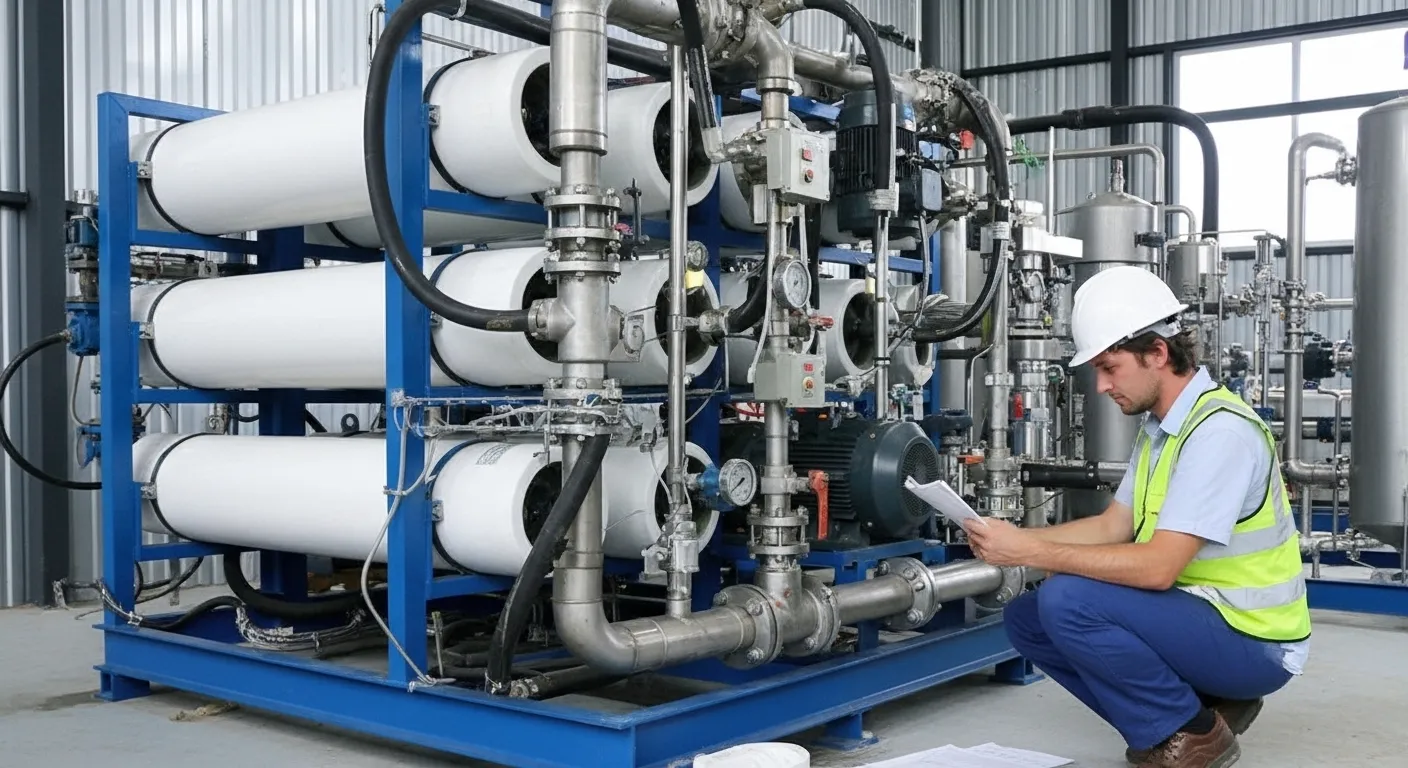
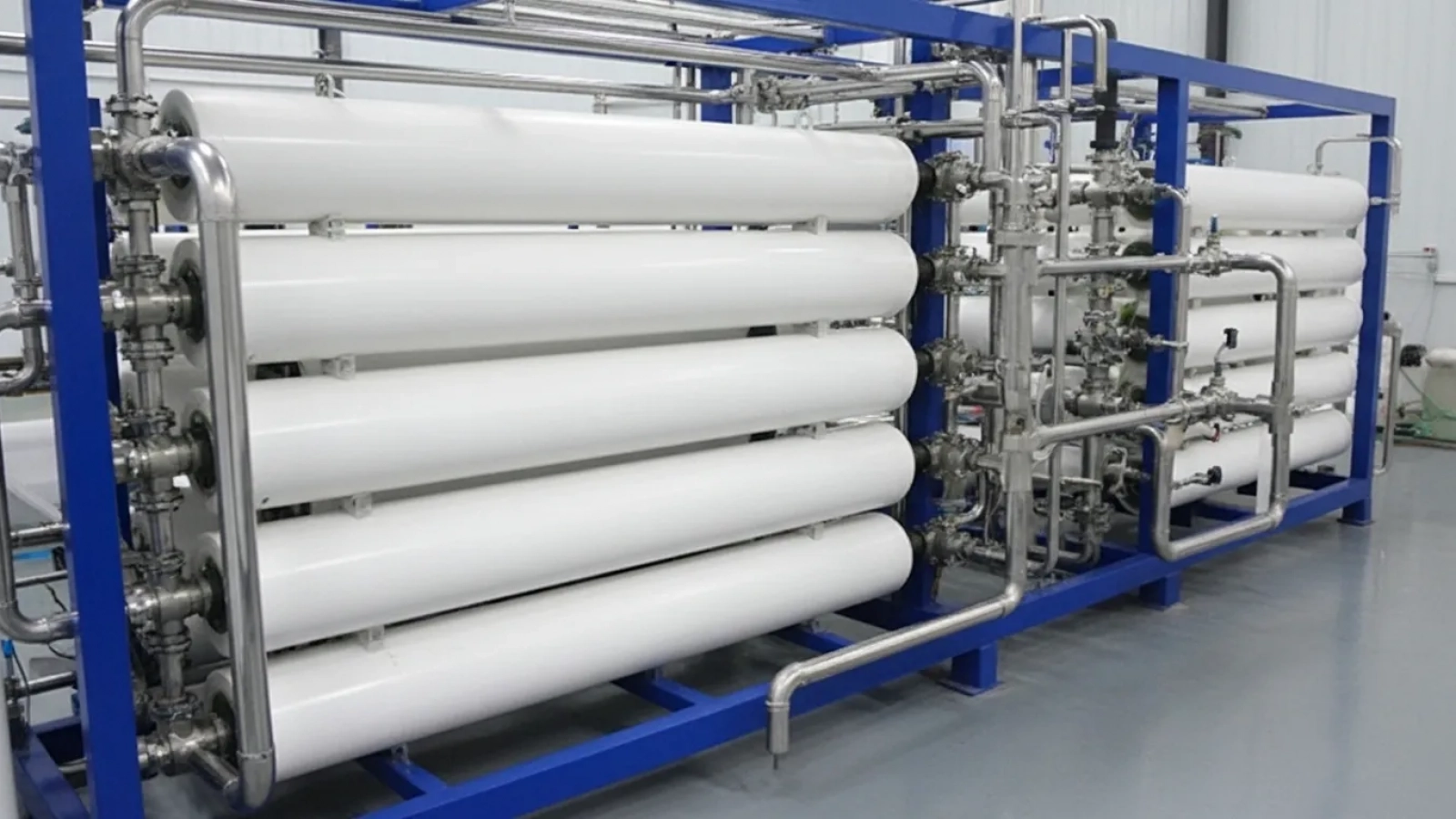
Chemical Cleaning in Reverse Osmosis (RO) Systems is an essential practice to maintain efficiency in water treatment processes—particularly in industrial applications where scaling and biofouling buildup can compromise membrane performance. This type of preventive and corrective maintenance helps extend system lifespan, reduce operating costs, and ensure consistent water quality.
Wastewater treatment is critical to preserving public health and environmental balance. Wastewater originates from domestic, industrial, and commercial uses and contains organic and inorganic matter, pathogenic microorganisms, nutrients, and toxic compounds. Without proper management, it can cause unpleasant odors, pollution, and health risks, making its collection, treatment, and proper disposal essential.
Treatment processes are divided into physical, chemical, and biological operations, grouped into three main stages: primary, secondary, and tertiary. Primary treatment removes settleable solids through sedimentation and screening; secondary treatment reduces organic matter via biological processes (such as activated sludge and aerated lagoons); and tertiary or advanced treatment eliminates nutrients, toxic compounds, and dissolved solids through filtration, adsorption, and chemical precipitation.
The physical characteristics of wastewater include total solids, odor, temperature, color, and turbidity; chemical characteristics include the presence of organic and inorganic matter and gases; and biological characteristics involve the diversity of microorganisms—some pathogenic, others beneficial for treatment. Biochemical Oxygen Demand (BOD) is a key parameter for measuring organic pollution and designing treatment plants.
Biological treatment uses bacteria, fungi, algae, and protozoa to degrade organic matter and stabilize waste. Aerobic, anaerobic, and anoxic processes are employed to remove BOD and facilitate nitrification and denitrification.
Advanced treatment enhances effluent quality for reuse or discharge by removing solids, nutrients, and toxic compounds. Recovered treated water can be used for irrigation, aquifer recharge, or industrial reuse. Sludge management remains an environmental challenge that must be addressed efficiently.
In summary, wastewater treatment combines physical, chemical, and biological processes to remove contaminants and protect both health and the environment. Its efficiency depends on proper design, accurate water characterization, and correct plant operation, ensuring the sustainability of water resources.
Challenges in the Reverse Osmosis System
- Low water production, preventing the system from meeting its original design capacity.
- Increased operating pressure, reducing overall system efficiency.
- Frequent membrane replacement due to scaling and/or microbiological growth, leading to higher costs and maintenance downtime.
Results Achieved
- Increased water production, meeting the original design specifications of the RO system.
- Reduced operating pressure, improving system performance and lowering operating costs.
- Extended membrane lifespan, minimizing the need for frequent replacements and reducing downtime.
- Improved water quality and better control of microbiological growth on membranes.