Nutrient Control in Effluents – Removal of P and N

Success Story: Nutrient Control in Effluents – Removal of P and N

Industry: Municipal Water Administration

Optimizing Wastewater Treatment to Meet Environmental Regulations – Nutrient Control in Effluents

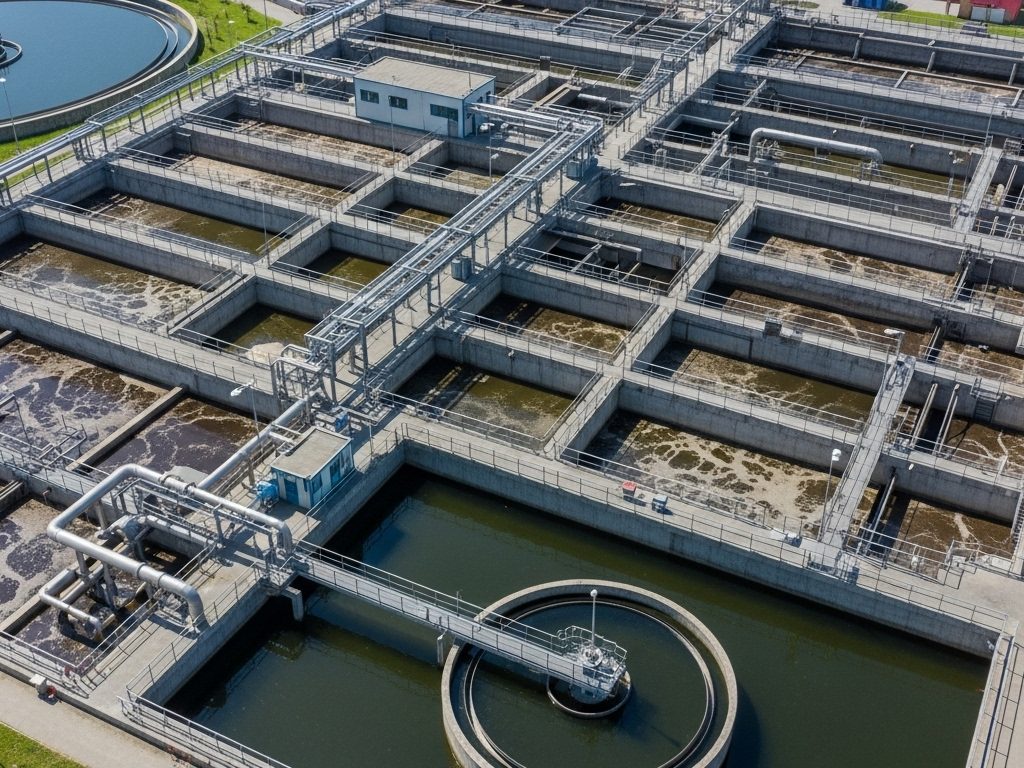
Wastewater treatment is essential to preserve public health and environmental balance. Wastewater originates from domestic, industrial, and commercial activities and contains organic and inorganic matter, pathogenic microorganisms, nutrients, and toxic compounds. Its accumulation causes unpleasant odors, contamination, and health risks, which is why it must be properly collected, treated, and disposed of.

Treatment processes are divided into physical, chemical, and biological operations, grouped into three stages: primary, secondary, and tertiary.

  • Primary treatment removes settleable solids through screening and sedimentation.
  • Secondary treatment reduces organic matter using biological processes such as activated sludge or aerated lagoons.
  • Tertiary (advanced) treatment removes nutrients, toxic compounds, and dissolved solids through techniques such as filtration, adsorption, and chemical precipitation.

The physical characteristics of wastewater include total solids, odor, temperature, color, and turbidity; chemical characteristics relate to organic and inorganic substances and gases; and biological characteristics involve microorganisms—some pathogenic, others beneficial for treatment. Biochemical Oxygen Demand (BOD) is a key parameter to measure organic pollution and to design treatment plants.

Biological treatment relies on bacteria, fungi, algae, and protozoa to degrade organic matter and stabilize residues. Depending on the process conditions, it may be aerobic, anaerobic, or anoxic, enabling BOD removal, nitrification, and denitrification.

Advanced treatment improves effluent quality for reuse or discharge, eliminating solids, nutrients, and toxic compounds. Treated water can be recovered for irrigation, aquifer recharge, or industrial reuse. Sludge generated during the process must also be managed properly, as its final disposal represents an environmental challenge.

In summary, wastewater treatment integrates physical, chemical, and biological processes to eliminate pollutants and protect both human health and the environment. Its efficiency depends on proper system design, accurate water characterization, and correct plant operation—ensuring the sustainability of water resources.

Problem in Effluent Treatment

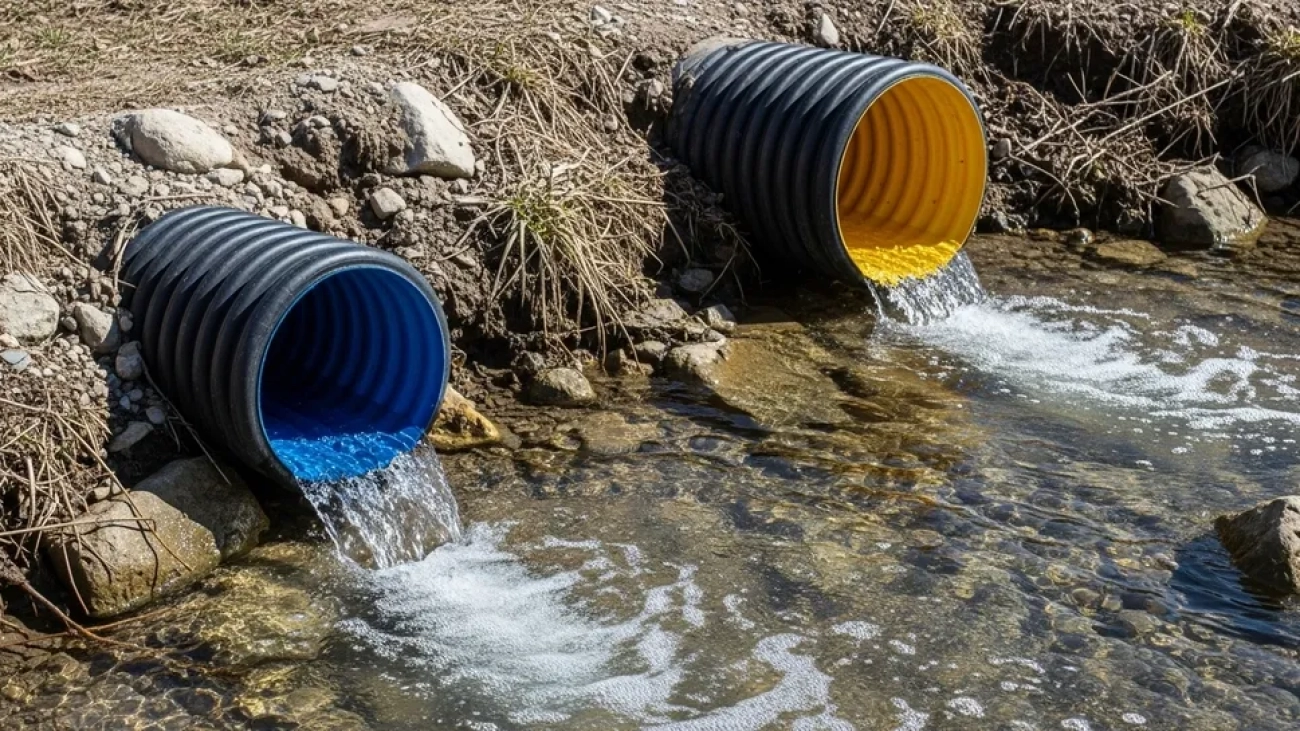
The municipal water administration faced a high concentration of nitrogen in the effluent, with a real situation of 40 mg/L, while the established target was to reach levels below 25 mg/L to comply with current environmental regulations.

Results Achieved

  • Reduction of nitrogen levels to 22 mg/L, meeting the environmental target.
  • Implementation time: 90 days to achieve the desired level.
  • Improved effluent quality, ensuring full compliance with environmental standards.

Importance of Nutrient Control

The removal of phosphorus and nitrogen from municipal wastewater is a key process to prevent eutrophication in water bodies, improve environmental health, and ensure the sustainability of treatment systems.

Conclusion

This success story demonstrates that efficient nutrient control in effluents not only helps meet strict environmental goals but also contributes to operational sustainability, improves the quality of treated water, and ensures regulatory compliance.
Proper management of these parameters is essential to minimize environmental impacts and avoid regulatory penalties.

At Químicos Roma, we offer specialized solutions and cutting-edge technology to support industries in wastewater treatment. Our integrated approach combines technical consulting, high-performance products, and customized strategies for each process—helping clients continuously improve their treatment systems.

Our success stories highlight the importance of preventive and corrective actions that ensure operational efficiency, reduce environmental risks, and strengthen corporate reputation.

If you want to optimize your industrial processes, reduce water treatment costs, and maintain operational continuity, Químicos Roma has the solutions you need.

Facing a Similar Challenge?

Contact us for a free technical consultation. Together, we’ll find the best solution for your water treatment system.
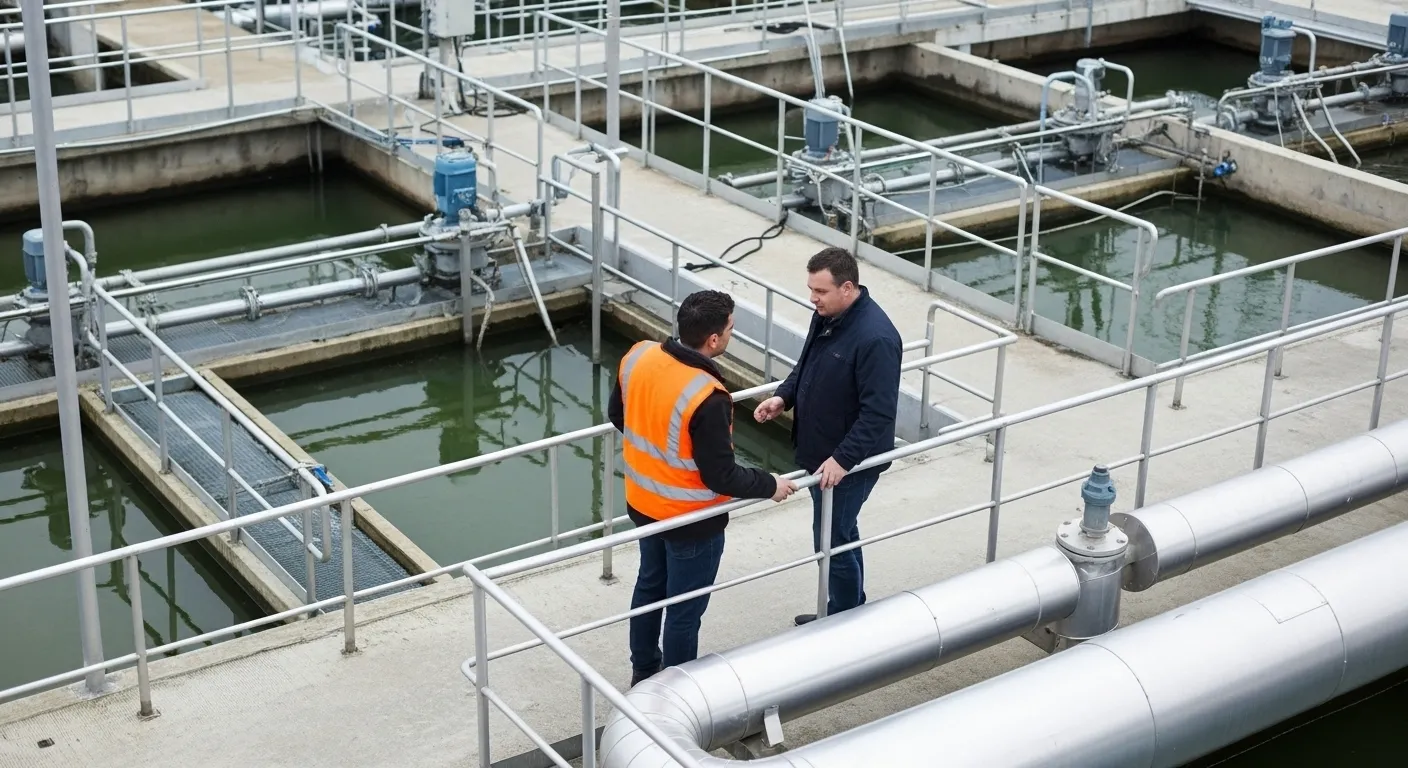
Control de Nutrientes. Nutrient Control in Effluents – Removal of P and N

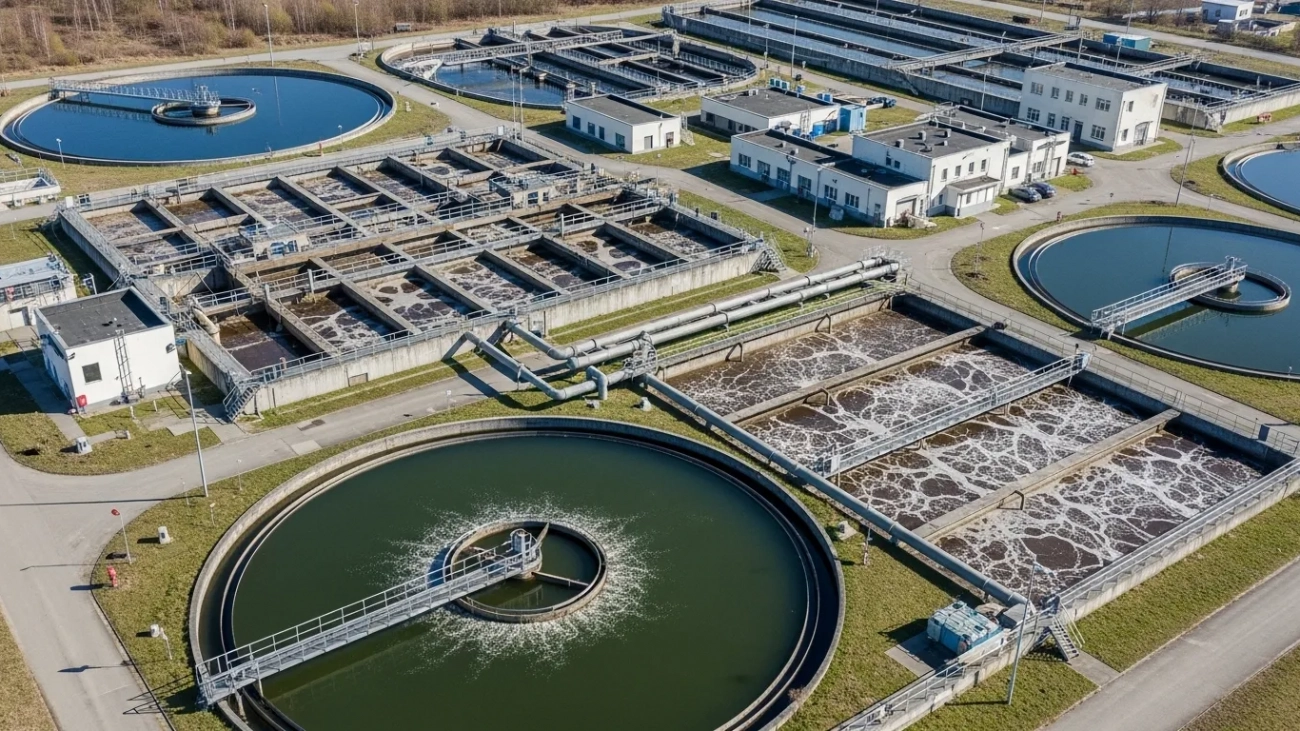
Tratamiento Biológico Avanzado de Aguas Residuales Industriales. Portada

Advanced Biological Treatment of Industrial Wastewater: Sustainable and Efficient Solutions

The management of industrial wastewater is an increasingly urgent global challenge. With growing environmental awareness and stricter regulations, companies are seeking solutions that not only meet discharge standards but are also sustainable and efficient.
This is where advanced biological treatment emerges as a key pillar. Moving beyond conventional methods, the latest innovations offer a promising approach for the effective removal of organic pollutants and nutrients—transforming the wastewater treatment paradigm.

High-Efficiency Anaerobic Processes: Energy and Purification in One

One of the most prominent trends in biological treatment is the implementation of high-efficiency anaerobic processes. Unlike aerobic treatments, which require oxygen and thus high energy consumption, anaerobic systems operate in its absence.
This not only significantly reduces operational costs but also enables the production of biogas, a renewable energy source.

Technologies such as Upflow Anaerobic Sludge Blanket (UASB) reactors and fluidized bed reactors have proven highly effective in degrading complex organic matter, turning a pollution challenge into an energy-generation opportunity.

Activated Sludge with Granular Biomass: Compact Efficiency

The evolution of activated sludge systems has led to the development of granular biomass technology. Instead of the irregular flocs found in traditional sludge, granular biomass forms dense, compact microbial granules.

This granular structure offers multiple advantages:

  • Improved sludge settleability, reducing clarifier size.
  • Greater tolerance to variable contaminant loads.
  • Higher biomass concentration in the reactor, optimizing the removal of BOD (Biochemical Oxygen Demand) and COD (Chemical Oxygen Demand).

These systems—such as granular Sequential Batch Reactors (SBR)—are particularly suitable for limited spaces and variable industrial wastewater flows.

Bioaugmentation: Enhancing the Natural Treatment Capacity

Bioaugmentation represents an innovative strategy to enhance the efficiency of existing biological treatment systems. It involves the introduction of specific microbial strains, selected for their ability to degrade certain pollutants, into the treatment process.

This approach is especially useful when the native biomass lacks the metabolic capacity to handle recalcitrant contaminants or when accelerating nitrification and denitrification (nitrogen and phosphorus removal) is required.

Bioaugmentation not only improves contaminant removal performance but also helps restore disturbed systems and optimize operations under challenging conditions.

Conclusion: The Future of Advanced Biological Treatment

Advanced biological treatment of industrial wastewater is not merely a trend—it is a pressing necessity for a more sustainable future.
The integration of high-efficiency anaerobic processes, granular biomass activated sludge systems, and bioaugmentation provides robust, efficient, and environmentally friendly solutions.

These technologies not only ensure compliance with discharge regulations but also enable resource recovery and reduce the carbon footprint of industrial activities.
Investing in these advanced solutions is, ultimately, an investment in the planet’s health and the long-term viability of industrial operations.

Advanced Biological Treatment of Industrial Wastewater: Sustainable and Efficient Solutions
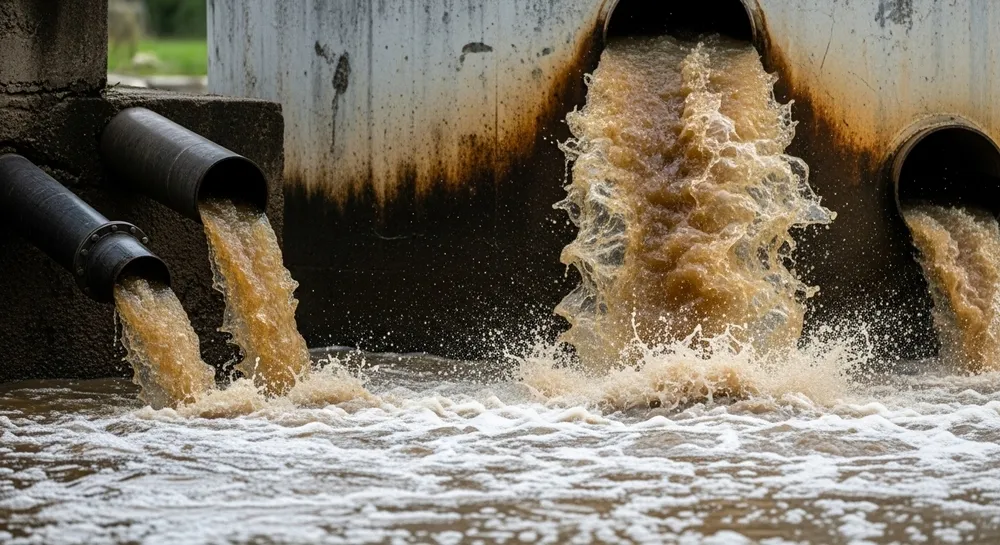
NOM-001-SEMARNAT-2021: Límites de contaminantes en aguas residuales. NOM-001-SEMARNAT-2021: The Regulation That’s Revolutionizing Wastewater Treatment in the Industry with Químicos Roma

NOM-001-SEMARNAT-2021: The Regulation That’s Revolutionizing Wastewater Treatment in the Industry with Químicos Roma

🌊 What Is NOM-001-SEMARNAT-2021 and Why Does It Matter to Your Company?

NOM-001-SEMARNAT-2021 is the official Mexican standard that regulates the permissible limits of pollutants in wastewater discharges into national water bodies.
Published as an update to the 1996 version, this new standard establishes stricter and mandatory parameters for all industries.

In other words, this regulation places Mexico’s water resources at the center, requiring that every drop of discharged water meet much more rigorous and measurable standards.

  • New regulated contaminants: total nitrogen and total phosphorus.
  • Tighter limits: BOD, COD, suspended solids, and fats.
  • Classification by receiving body: rivers, lakes, estuaries, or sea.
  • Regulation by economic activity and discharge type.

Major Changes Compared to the 1996 Version

The updated standard includes more stringent parameters and stricter monitoring requirements:

  • Incorporation of key contaminants: total nitrogen and total phosphorus.
  • Stricter limits for BOD, COD, suspended solids, and fats and oils.
  • Classification of discharges according to the receiving body (rivers, lakes, estuaries, sea).
  • Differentiated regulation by economic sector, recognizing that not all industrial discharges have the same environmental impact.

These changes require industries to transform the way they treat wastewater and adopt more advanced technologies and specialized chemical solutions.

Who Must Comply with This Standard?

NOM-001-SEMARNAT-2021 directly affects:

  • Industrial companies (food and beverage, paper, cardboard, textile, chemical, pharmaceutical, automotive, etc.) that discharge wastewater.
  • Municipalities and utility operators responsible for treatment plants.
  • Agro-industries and urban developments discharging wastewater into receiving bodies.
  • Any individual or legal entity that discharges wastewater into national property.

⚠️ What Happens If Your Company Fails to Comply?

Non-compliance with NOM-001-SEMARNAT-2021 can be costly and damaging for your business.
It’s not just about regulation—it’s about your company’s continuity and reputation.

  • Heavy fines and economic sanctions.
  • Partial or total shutdown of production facilities.
  • Irreparable reputational damage before clients and authorities.
  • Loss of competitiveness due to environmental non-compliance.

In this scenario, Químicos Roma becomes the strategic ally your industry needs to avoid risks and ensure stable operations.

Is your company ready to face these challenges?

✅ Químicos Roma: The Solution Your Company Needs

At Químicos Roma, we have the expertise, technical knowledge, and specialized products to ensure your industry complies effortlessly with NOM-001-SEMARNAT-2021.
We are your strategic partner for clean, sustainable, and compliant operations.

Our strengths:

  • Specialized products for controlling nutrients (N and P), solids, fats, oils, foam, odors, and more.
  • Technical consulting by experts in environmental engineering and industrial processes.
  • Continuous monitoring of critical parameters to ensure regulatory compliance.
  • Integrated solutions combining chemistry, operation, and efficiency.

With Químicos Roma, companies achieve:
✅ Full compliance with NOM-001-SEMARNAT-2021.
✅ Optimization of their wastewater treatment processes.
✅ Reduced operational and maintenance costs.
✅ Continuous operation without penalties or shutdowns.

Químicos Roma Services and Solutions

  • Specialized chemical solutions for pollutant control.
  • Comprehensive wastewater treatment programs.
  • Continuous monitoring and technical support.
  • Risk reduction against penalties and shutdowns.

🚀 Conclusion: Don’t Wait for Penalties to Act

NOM-001-SEMARNAT-2021 is already in force. It represents a turning point in Mexico’s environmental regulation, and only industries that act now will guarantee operational continuity and avoid sanctions.

Químicos Roma is undoubtedly the partner your company needs to comply with the regulation, protect the environment, and ensure efficient processes.

👉 Contact Químicos Roma today and take your wastewater treatment to the next level.

💧 Químicos Roma: Transforming wastewater treatment in Mexico.
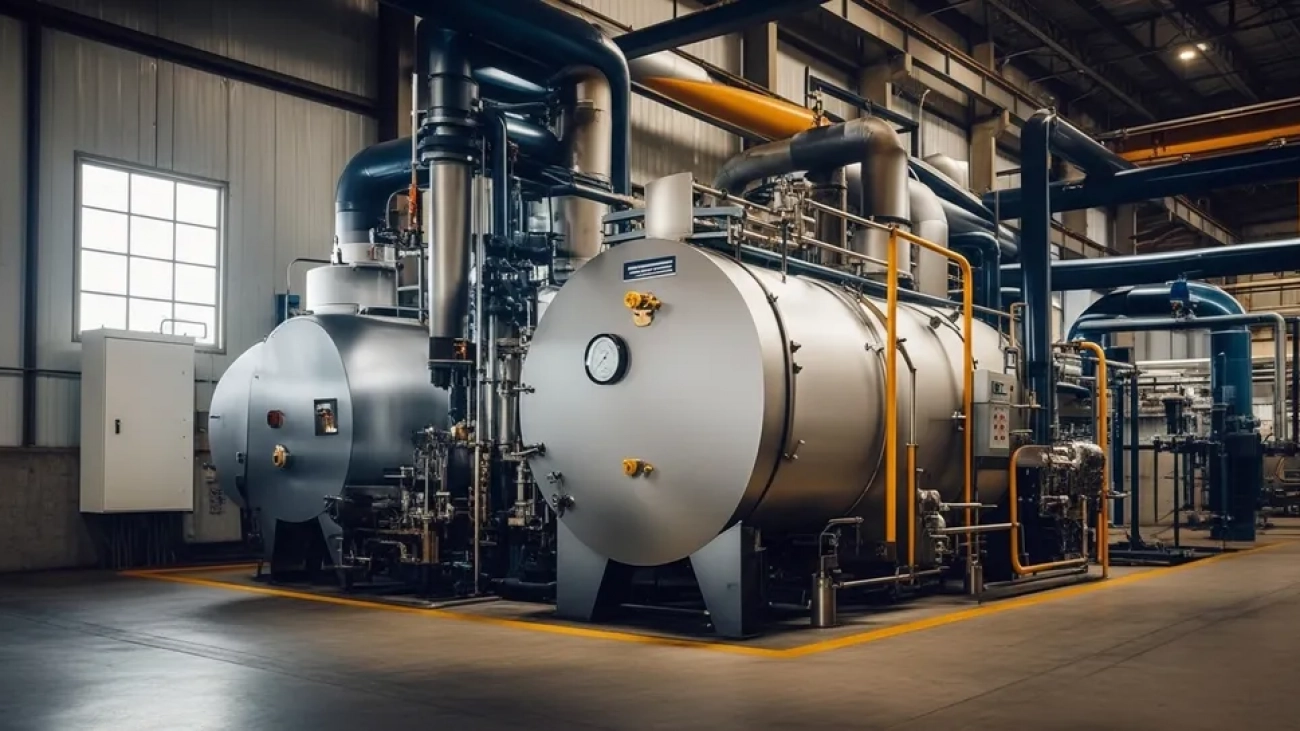
Introducción a los Sistemas de Generación de Vapor Industrial Guía Completa para Calderas y Tratamiento de Agua. Introduction to Industrial Steam Generation Systems

Introduction to Industrial Steam Generation Systems: A Complete Guide to Boilers and Water Treatment

Industrial steam generation systems are the heart of countless production processes. From sterilization to power generation, industrial steam plays an essential role across multiple industries.

In this article, you’ll discover how industrial boilers work, the importance of water treatment, the role of condensate, and the most common types of boilers used in modern industry.

Purpose of Boiler Feedwater Pretreatment

The external treatment or pretreatment of water aims to adjust the quality of make-up water to industrial standards through physicochemical processes.
This step maximizes water efficiency and minimizes issues such as scaling, corrosion, and premature system failures in steam generation equipment.

Characteristics of Industrial Steam

  • It is the gaseous phase of water.
  • It has a high latent heat of vaporization compared to other liquids.
  • It is an efficient medium for heat and mechanical energy transfer.

Main Uses of Steam in Industry

Industrial steam is used in a wide variety of processes, including:

  • Sterilization and heating
  • Mechanical drive or motion
  • Atomization
  • Industrial cleaning
  • Material hydration
  • Air humidification

Make-Up Water

Make-up water refers to raw water that has been pretreated to meet the requirements of the steam system.
It is used to replace condensate or steam losses that do not return to the system.
Its quality depends on the boiler operating pressure and the final use of the steam.

Boiler Feedwater

Boiler feedwater is the mixture of condensate and make-up water that enters the boiler feed pumps.
It undergoes processes such as heating, deaeration, and chemical treatment to remove residual oxygen and adjust pH before entering the boiler.

Boiler Water

This is the water that circulates inside the boiler, where it is directly heated by the energy source.
When it reaches its boiling point, it transforms into saturated or superheated steam, while part of the water is discharged through blowdown to control the concentration of dissolved solids.

Steam in the Boiler

The steam generated is the working fluid that powers industrial processes.
In addition to its direct use, it is also employed in the preheating and deaeration of feedwater to enhance overall thermal efficiency.

Condensate in Steam Systems

Condensate is steam that has been cooled below its dew point.
It is collected and reused as feedwater, improving efficiency and reducing raw water consumption.
In some cases, condensate may be discarded or redirected to other processes depending on system design.

Classification of Industrial Boilers

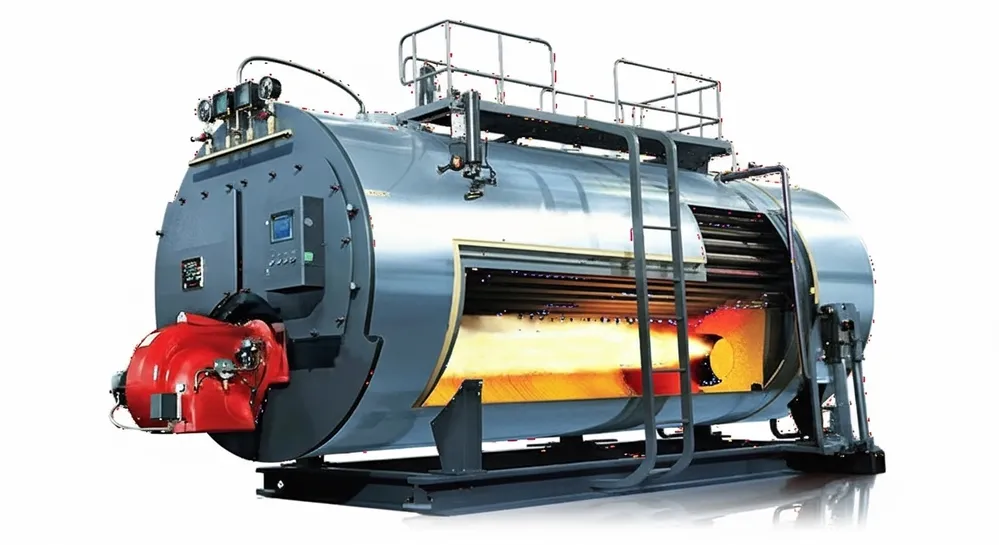
Fire-Tube Boilers

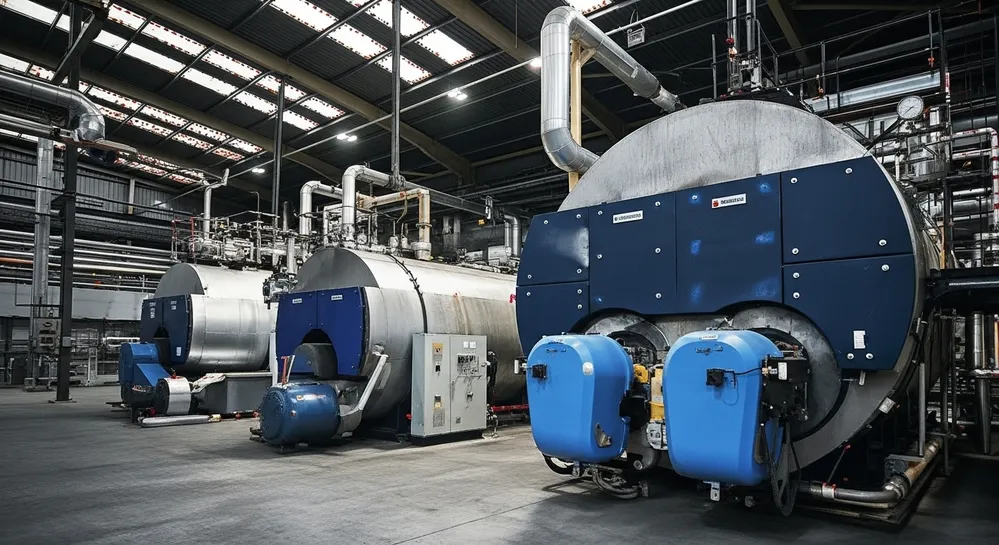
Fire-tube boilers are widely used in heating systems and basic industrial applications due to their low capital cost, compact size, and ease of operation.
However, their pressure limitation (up to 350 psi) makes them unsuitable for driving steam turbines.

Water-Tube Boilers

Designed for higher pressures and larger steam volumes, water-tube boilers are ideal for thermal power plants and high-demand industrial processes.
Their design offers greater safety, flexibility, and efficiency compared to fire-tube boilers.

Conclusion

Understanding the operation of industrial steam generation systems, water treatment, condensate management, and boiler classification is essential to optimize processes, reduce energy costs, and protect your company’s thermal infrastructure.

By mastering these concepts, you not only ensure the longevity and efficiency of your equipment but also guarantee operational safety and compliance with environmental and safety standards.

At Químicos Roma, we understand that every industrial operation is unique. That’s why we don’t offer generic solutions — we carefully analyze your system’s specific needs.
Our approach focuses on designing a custom industrial water treatment program that perfectly fits your operation, ensuring maximum performance and investment protection.

🔧 Want to optimize the performance of your industrial boilers?
Contact our specialists to design a tailor-made industrial water treatment program for your operation.

Introduction to Industrial Steam Generation Systems

Steam Generation System Components and Common Problems in Industrial Boilers

Steam Generation System Components and Common Problems in Industrial Boilers

Industrial steam generation systems are the heart of production across a wide range of sectors—from food and pharmaceuticals to petrochemicals. Their efficient design and operation are crucial for ensuring productivity and safety. To fully understand how they work, it’s essential to know their main components and the most common problems that can occur.

Key Components of a Steam Generation System

A steam system is made up of several essential elements that work together to produce steam safely and efficiently. The most important are:

  • Feedwater Tank: Stores make-up water and returned condensate.
  • Feedwater Pump: Supplies water from the tank to the deaerator and the boiler.
  • Deaerator: Removes dissolved gases from the feedwater.
  • Economizer: Preheats the feedwater to improve energy efficiency.
  • Boiler: The main component where water is converted into steam.
  • Desuperheater (Attemperator): Controls the temperature of superheated steam.
  • Condenser: Cools the steam to recover it as condensate.

The Deaerator: The Boiler’s Guardian

The deaerator is a critical component for the health of a boiler. Its primary function is to remove dissolved gases such as oxygen (O₂) and carbon dioxide (CO₂) from the feedwater, as these gases are highly corrosive. Ideally, deaeration efficiency should exceed 94%. Any residual oxygen must be neutralized with chemical agents known as oxygen scavengers to prevent internal damage.

The performance of a deaerator depends on several factors, including operating temperature, internal design, and water residence time. There are two main types of deaerators: spray-type and tray-type, each designed to maximize gas removal efficiency.

Steam Drum and Superheaters

The steam drum is a crucial part of the boiler that allows for the efficient separation of steam and water. Inside the drum, steam—being lighter—rises and separates from the water before being directed into the steam piping system.

Superheaters are responsible for raising the steam temperature above its saturation point, producing superheated steam. This process removes any residual moisture, preventing corrosion in steam lines, improving the plant’s thermal efficiency, and extending equipment lifespan.

Condensate Recovery: Efficiency and Sustainability

Condensate is steam that has cooled and returned to its liquid state. If it meets quality parameters, it can be reused as feedwater for the boiler. This practice offers multiple advantages:

  • Resource savings: Reduces make-up water consumption and, consequently, the amount of treatment chemicals required.
  • Reduced corrosion: Contains significantly less dissolved oxygen.
  • Energy efficiency: Retains a large portion of thermal energy, lowering the boiler’s fuel demand.

Boiler Classification by Pressure

Boiler operating pressure is a key factor in its design, operation, and chemical treatment requirements. Common classifications include:

  • Low pressure: Less than 3.5 kg/cm²
  • Medium pressure: From 3.5 to less than 15 kg/cm²
  • High pressure: From 15 to less than 42 kg/cm²
  • Very high pressure: 42 kg/cm² or higher

Main Problems in Industrial Boilers

Although robust, steam systems are susceptible to various issues that can compromise safety, efficiency, and longevity. The most common include:

  • Corrosion: One of the most serious problems, mainly caused by dissolved oxygen (O₂), carbon dioxide (CO₂), and low water pH.
  • Scaling and blockages: Hard deposits of minerals (calcium and magnesium salts) reduce heat transfer, increase fuel consumption, and cause tube overheating.
  • Foaming and carryover: Excess dissolved solids or high alkalinity can cause water to foam, allowing impurities to be “carried over” with the steam—potentially damaging process equipment and turbines.

If not properly managed, these problems can lead to structural failures and costly downtime.

Conclusion

Understanding each component of a steam generation system is essential for the safe and efficient operation of industrial boilers. Preventing problems such as corrosion and scaling through an adequate water treatment program not only extends system lifespan but also generates significant savings in operating and maintenance costs.

At Químicos Roma, we specialize in the prevention and solution of these challenges.
Contact us to design a customized water treatment program that maximizes the efficiency and safety of your equipment.

Sistema de Generación de Vapor y Principales Problemas en Calderas Industriales. Steam Generation System Components and Common Problems in Industrial Boilers

Tratamiento Químico del Agua en Calderas

Chemical Water Treatment in Boilers: Preventing Corrosion, Scaling, and Oxygen Control

Chemical water treatment in boilers is not just an additional step—it’s a fundamental pillar for the safety and efficiency of any industrial steam system. Ignoring this practice can lead to catastrophic failures, costly downtime, and a significant reduction in equipment lifespan. In this article, we explore best practices, commonly used chemicals, and key strategies to keep your steam system in optimal condition.

1. The Importance of Chemical Treatment

A well-designed boiler water treatment program helps control and mitigate the main challenges faced by steam systems:

  • Mineral scaling: Prevents the formation of hard deposits inside tubes, which act as insulators, reducing heat transfer efficiency and increasing fuel consumption.
  • Internal corrosion: Protects the system’s metal surfaces from chemical attack by dissolved oxygen and other corrosive agents.
  • Steam quality: Ensures high-purity steam, free from solid or chemical carryover that could damage downstream equipment.

All of this is achieved through rigorous monitoring, proper feed control, chemical dosing, and regular follow-up testing.

2. Dissolved Oxygen Control

Dissolved oxygen is one of the greatest enemies of boiler systems. This gas, primarily introduced through make-up water, reacts with the metal in tubes and internal surfaces, causing localized corrosion (pitting).

The strategy to combat it is twofold:

  • Mechanical deaeration: A deaerator removes most of the dissolved oxygen by heating the feedwater to its boiling point.
  • Chemical scavengers: Products such as sodium sulfite, hydrazine, and DEHA are dosed to eliminate the residual oxygen that the deaerator cannot remove.

3. Types of Oxygen Scavengers

Each oxygen scavenger has specific characteristics and applications:

  • Sodium Sulfite: One of the most common and economical options. It reacts with oxygen to form sodium sulfate and is ideal for low- to medium-pressure systems. A dosage of about 10 ppm per 1 ppm of oxygen ensures effective protection.
  • Hydrazine: Used in high-pressure systems. Its main advantage is that it doesn’t increase the dissolved solids in the water. However, it is a carcinogenic compound and must be handled with special precautions.
  • DEHA (Diethylhydroxylamine): A high-performance oxygen scavenger that not only removes oxygen but also helps form a protective magnetite (Fe₃O₄) layer on metal surfaces. Its volatile compounds travel with the steam, providing protection even in the condensate return lines.

4. Scale and Corrosion Control Through pH Management

Maintaining a controlled pH (between 9 and 11) is crucial for forming a protective magnetite layer (Fe₃O₄) inside the boiler. In addition, specific chemical programs are used to treat minerals that cause scaling.

  • Phosphate-based programs: Phosphate compounds are dosed to precipitate calcium salts (Ca²⁺) as hydroxyapatite—a soft sludge that can be easily removed through blowdown.

5. Corrosion in Condensate Systems

Carbon dioxide (CO₂) generated in the boiler dissolves in the condensate, forming carbonic acid (H₂CO₃), which lowers pH and causes corrosion in pipelines and equipment. The dissolved metal, mainly iron, returns to the boiler, worsening the problem.

To combat this type of corrosion, neutralizing amines are used:

  • Morpholine: Protects short sections of condensate lines, as it remains in the liquid phase.
  • Cyclohexylamine: Protects long sections because it stays in the vapor phase.

Combining both amines ensures full protection of the condensate return system.


Conclusion

Chemical water treatment in boilers is not optional—it is an operational necessity to ensure long-term safety and efficiency. The correct selection and dosing of chemical products such as sulfite, DEHA, phosphates, and neutralizing amines are key to preventing corrosion and scaling, extending equipment lifespan, and maintaining your plant’s productivity.

At Químicos Roma, we are committed to excellence in industrial water treatment.
Contact us for specialized consulting and a customized chemical treatment program tailored to your operation.

Tratamiento Químico del Agua en Calderas. Chemical Water Treatment in Boilers:

Remoción de Nitrógeno y Fósforo en Aguas Residuales

Nitrogen and Phosphorus in Wastewater: A Problem That Damages Equipment, Ecosystems, and Budgets

Nitrogen (N) and phosphorus (P) are essential nutrients for life on Earth. However, when they are present in high concentrations in water bodies, their role changes dramatically—from vital nutrients to dangerous pollutants. The discharge of wastewater rich in these elements causes eutrophication, a phenomenon that disrupts aquatic ecosystems, harms marine life, and ultimately poses risks to human health. Their effective removal is therefore fundamental to environmental sustainability.

Impact of Nitrogen on Water Bodies

Nitrogen reaches water bodies through natural sources and, increasingly, through human activities such as fertilizer use, industrial processes, and fossil fuel combustion.

The main environmental issues associated with excess nitrogen include:

  • Increased water acidity, which affects pH-sensitive species.
  • Eutrophication, which promotes excessive growth of algae and aquatic plants, depleting oxygen and killing other forms of life.
  • Toxicity, as nitrogen compounds can be poisonous to aquatic life and hazardous to human health.

Toxicity of Nitrogen Compounds

  • Ammonia (NH₃): Highly toxic to fish, as it easily passes through their gills.
  • Nitrite (NO₂–): An intermediate compound in the nitrogen cycle that can be lethal to aquatic organisms.
  • Nitrate (NO₃–): Less toxic to fish but harmful to human health when accumulated in drinking water, especially for infants.

Nitrogen Removal Methods

Nitrogen removal from wastewater is achieved through a combination of physical, chemical, and biological processes.

Physical Processes

  • Reverse osmosis: A high-efficiency method using specialized membranes to separate contaminants. Although effective, it is costly and used mainly for specific contaminant removal.

Chemical Processes

  • Ion exchange: Employs resins that exchange ions. While effective, it can be limited by selectivity for nitrates and resin regeneration challenges.

Biological Processes

These are the most common and efficient large-scale methods, relying on microbial activity:

  • Assimilation: Bacteria incorporate ammoniacal nitrogen for growth and reproduction.
  • Nitrification: Under aerobic conditions (with oxygen), bacteria such as Nitrosomonas and Nitrobacter convert ammonium (NH₄⁺) into nitrate (NO₃–).
  • Denitrification: Under anoxic conditions (without oxygen), other bacteria convert nitrate into nitrogen gas (N₂), which is harmlessly released into the atmosphere.

Phosphorus Removal in Wastewater

Phosphorusis an essential nutrient, but its excess is the main driver of eutrophication in freshwater bodies. The most common sources are agricultural fertilizers and urban or industrial discharges. Phosphorus can appear in water as orthophosphate, polyphosphates, or organic phosphorus.

Phosphorus Removal Processes

Chemical Precipitation

This method is highly effective for phosphorus removal. It involves adding chemical agents that react with phosphorus to form insoluble compounds, which can then be removed by sedimentation or filtration.

The most commonly used agents are:

  • Aluminum salts and aluminum polymers
  • Iron salts
  • Organic flocculants

This process can be applied at different stages of wastewater treatment—pre-precipitation, co-precipitation, or post-precipitation—achieving removal efficiencies of up to 90%.

Biological Phosphorus Removal

Certain microorganisms can accumulate large amounts of phosphorus. In a process known as Enhanced Biological Phosphorus Removal (EBPR), these organisms are cultivated under controlled anaerobic and aerobic conditions to absorb phosphorus and incorporate it into their biomass, which is later removed along with the sludge.


Conclusion

The removal of nitrogen and phosphorus from wastewater is not a luxury—it’s a critical necessity for protecting ecosystems and public health. An effective strategy must combine physical, chemical, and biological processes tailored to the specific characteristics of the wastewater.

At Químicos Roma, we understand the complexity of these challenges. We offer customized solutions for wastewater treatment, helping companies comply with environmental regulations and operate more sustainably.
Contact us for expert advice and discover how we can help you protect the environment.

Remoción de Nitrógeno y Fósforo en Aguas Residuales. Nitrogen and Phosphorus in Wastewater: A Problem That Damages Equipment, Ecosystems, and Budgets

Pretratamiento de Aguas Residuales. Wastewater Pretreatment:

Wastewater Pretreatment: The Key to Protecting Equipment, Reducing Costs, and Improving Efficiency

Wastewater pretreatment is a fundamental phase that precedes any other process in a treatment plant. Although often underestimated, proper execution is the key to ensuring efficiency, safety, and long-term system performance. Its main goal is to remove coarse solids, sand, fats, and oils that, if not eliminated, could damage machinery and compromise subsequent treatment stages.

What Is Pretreatment and Why Is It Vital?

Pretreatment consists of the preliminary removal of undesirable components before wastewater enters the primary, secondary, and tertiary treatment stages. This step helps prevent blockages, reduce mechanical wear, and extend the lifespan of pumps, pipes, and other high-value equipment.
While handling solid waste can be an unpleasant task, the benefits far outweigh the drawbacks—resulting in lower operating costs and a significant reduction in failures.

1. Screening: The First Line of Defense

Screening is the initial and simplest stage of pretreatment. Its function is to retain coarse solids such as rags, plastics, branches, and stones. The choice of screening type depends on the size of the solids to be removed and the wastewater flow rate.

There are several types, ranging from manual screens for small facilities to automatic and specialized screens for large industrial plants:

  • Bars and grids: With openings ranging from 6 mm to over 100 mm.
  • Perforated or belt plates: Highly efficient in retaining even small solids.

Rotary drum or screw-type screens: Compact equipment that combines solid separation with compaction and dewatering.

2. Grit Removal: Protection Against Abrasion

Grit removal eliminates sand, gravel, and other abrasive materials. If not removed, these materials can cause premature wear in pumps, valves, and other moving parts. They may also settle in treatment tanks, reducing capacity.

The most common grit removal systems include:

  • Horizontal flow chambers: Long channels where water velocity is reduced enough for sand to settle by gravity.
  • Aerated grit chambers: Air injection creates a spiral flow pattern that helps separate sand and other solids.
  • Vortex-type systems: Use tangential flow to create a vortex that concentrates and removes sand.

The amount of grit removed depends on soil type and sewer system conditions, but efficient grit removal is essential for maintaining system health.

3. Grease and Oil Removal

Fats, oils, and greases (FOG) are present in almost all wastewater—especially from industrial and food service sources. These compounds, in addition to being difficult to oxidize, can adhere to equipment, reduce aeration efficiency, and hinder sludge dewatering.

Common removal methods include:

  • Grease traps: Containers that cool the water, allowing fats to float and be manually removed.
  • Oil separators: Devices that use density differences to separate floating oils.
  • Dissolved Air Flotation (DAF) systems: An advanced method that injects microbubbles of air into the water. The bubbles attach to oil and grease particles, causing them to float to the surface for skimming.

4. Wastewater Equalization

An equalization tank is a smart investment for plants receiving wastewater with large variations in flow or contaminant concentration. Its function is to regulate and mix wastewater, preventing organic load peaks that could harm biological treatment stages. By evening out these fluctuations, chemical use is optimized, and odor generation is minimized.


Conclusion

Wastewater pretreatment is not optional—it’s an operational necessity that ensures the success of the entire sanitation system. Through the proper implementation of processes such as screening, grit removal, grease elimination, and equalization, equipment is protected, overall efficiency is improved, and a more sustainable and cost-effective operation is achieved.

At Químicos Roma, we provide solutions and products to optimize every stage of the wastewater treatment process.
Contact us to discover how we can help you design a more efficient and long-lasting system.

Pretratamiento de Aguas Residuales. Wastewater Pretreatment

Purificación del Agua para Servicios Industriales

Quality Water for Industry: Less Maintenance Costs, More Value for Your Investment

Water quality is a critical factor in any industrial process. From food and beverage manufacturing to power generation, poor-quality water can lead to serious problems such as reduced efficiency, equipment damage, and compromised product quality. Purifying water for industrial services is not just a good practice—it’s an operational necessity to remove contaminants like solids, heavy metals, microorganisms, dissolved salts, and other undesirable compounds.

Water Sources and Common Contaminants

Water used for industrial purposes can come from various sources, each with its own set of challenges:

  • Seawater: Highly saline and rich in microbial activity, posing a significant scaling risk in reverse osmosis systems.
  • Surface water (rivers, lakes): Typically contains suspended solids, microorganisms, and exhibits quality variations depending on the season.
  • Groundwater (wells): Contains high concentrations of dissolved salts and minerals but generally low microbiological content.
  • Tertiary effluents: Water that has undergone basic treatment but still carries high organic and microbiological loads.

Key Contaminants and Problems

Water can contain a wide range of contaminants that, if not removed, cause serious issues. Hardness (calcium, magnesium, iron) is one of the most common problems, as it leads to scale buildup that reduces heat transfer in boilers and other equipment. Other contaminants include phosphates (which promote algae growth), silica (which causes clogging), and heavy metals such as lead or manganese, which are toxic.

Water Purification Systems

Various methods and technologies are used to combat these contaminants:

1- Filtration: Removing Solids

Filtration is a physical-mechanical process that removes solid particles from water. Multimedia filters, composed of layers of gravel, sand, and anthracite, are a robust solution for removing suspended solids and turbidity.

For specific applications, activated carbon filters are used to remove odors, tastes, color, and chlorine, thanks to carbon’s high adsorption capacity.

2- Softening: Goodbye to Scale

Water softening is a process designed to remove calcium and magnesium ions—the main culprits behind hardness and scale formation. This is achieved through ion exchange, where water passes through a resin bed that replaces hardness ions with sodium ions.

3- Membrane Filtration and Reverse Osmosis

Membrane filtration is an advanced technology that separates contaminants based on pore size.

  • Microfiltration and Ultrafiltration: Remove particles, bacteria, and viruses—ideal for clarification and sterilization.
  • Reverse Osmosis (RO): The most sophisticated process, applying pressure to reverse the natural flow of water through a semipermeable membrane that retains salts, ions, and other impurities. RO is essential for desalination and the production of ultrapure water in industries such as pharmaceuticals and electronics.

The efficiency of reverse osmosis depends on multiple factors such as feed pressure, temperature, pH, and salt concentration. Poor pretreatment or the absence of antiscalants can lead to membrane fouling, drastically reducing performance and lifespan.


Conclusion

Purifying water for industrial services is a multifaceted process that requires a combination of technologies tailored to each operation’s specific needs. From basic filtration to advanced reverse osmosis, each stage plays a crucial role in protecting equipment, optimizing processes, and ensuring quality.

At Químicos Roma, we specialize in designing and implementing comprehensive solutions for industrial water treatment.
Contact us for a personalized consultation and discover how we can help you secure the highest quality water supply for your business.

Purificación del Agua para Servicios Industriales Quality Water for Industry